























Flood Recovery Continues in Kerr County, Texas
Floodwaters wreaked havoc across Kerr County on July 4, claiming more than 130 lives and displacing thousands as communities grapple with profound loss. The swift onset of flooding caught many residents off guard, leaving them racing against the rising waters in a desperate bid for survival.
Why It Matters
This tragedy underscores the crucial importance of effective emergency management and disaster preparedness in a region susceptible to natural calamities. As recovery efforts continue, communities are left questioning the adequacy of warning systems and flood mapping in place, particularly in areas historically affected by flooding.
Key Developments
-
Joe Herrera and his wife narrowly escaped the flooding, but their home sustained significant damage, prompting a two-month recovery period before their return.
-
Six months post-disaster, the community is slowly returning to normalcy; businesses have reopened and traffic flows across reconstructed bridges.
-
Questions surrounding the efficacy of emergency warnings remain at the forefront, with residents expressing frustration over delayed alerts during the flooding.
-
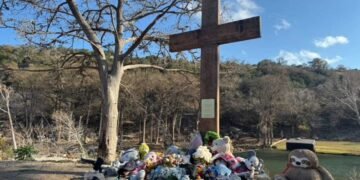
Legal actions are underway against Camp Mystic, where 27 individuals lost their lives. Camp officials plan to resume operations later this year, a move criticized by families still coping with their losses.
- A comprehensive legislative response has been initiated, including funding for flood preparedness and the installation of new warning systems along the Guadalupe River.
Full Report
Initial Chaos and Survival
Joe Herrera recalls the harrowing night of July 4 when floodwaters surged into his Ingram home. With his Parkinson’s disease making mobility challenging, he was assisted by a neighbor who helped evacuate him and his wife as waters rapidly engulfed their street. While they survived, many others were less fortunate, as the floodwaters rose to an alarming 37 feet, inundating homes and summer camps.
Recovery Efforts and Ongoing Challenges
Six months following the disaster, many aspects of daily life are gradually returning. Local businesses have reopened, drawing in customers, yet the landscape is still marred by vacant lots and the remnants of destroyed buildings. Louis Amestoy, editor of the Kerr County Lead, describes the disconnect between the serene river and the devastation it caused, noting that healing will take years.
Legal Actions and Legislative Changes
Families of victims have initiated multiple lawsuits against Camp Mystic, where a significant portion of the fatalities occurred. As they grapple with their grief, they express concern that reopening the camp for profit feels inappropriate. Kyle Findley, an attorney representing the families, highlights the ongoing pain caused by such decisions.
In response to the flood, Texas lawmakers have mobilized a $300 million legislative package that aims to enhance flood safety measures. This includes the installation of flood warning systems on the Guadalupe River, a move that Texas Governor Greg Abbott champions as part of the state’s commitment to protecting its residents and their children in future emergencies.
FEMA’s Response Under Scrutiny
Amid the recovery, FEMA’s role has drawn criticism, particularly regarding the adequacy of assistance provided to affected families. Many residents have reported difficulties securing federal aid from a still-pending disaster assistance process. Additionally, concerns linger about the accuracy of FEMA’s flood maps in relation to the ever-changing climate and flooding patterns, with outdated designs leaving many areas vulnerable without proper insurance or preparedness measures.
Furthermore, local emergency management faced severe scrutiny during legislative hearings, as officials acknowledged that critical leadership was absent during the flood’s onset. State authorities expressed alarm over the lack of timely alerts, which could have provided residents with essential information to escape the rapidly rising waters.
Context & Previous Events
The July 4 disaster was marked as one of the deadliest natural catastrophes in Texas history, raising pertinent questions about emergency preparedness protocols and flood awareness. Historical mismanagement in updating flood maps has come to light, particularly regarding Camp Mystic’s recategorization of flood zone areas, which directly impacted the safety of campers during the incident.
As the community endeavors to heal, the aftermath of this tragedy continues to shape conversations about safety and accountability in disaster management across the state.