






















Australian Police Arrest Dozens During Climate Protests at Major Coal Port
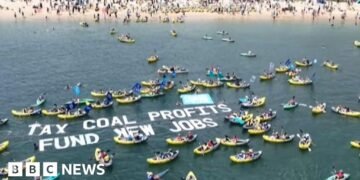
Authorities in New South Wales have apprehended numerous individuals amid climate demonstrations that reportedly succeeded in disrupting operations at one of the world’s leading coal export facilities. The climate activist group Rising Tide has claimed responsibility for the protests, which involved activists entering a significant shipping lane by kayak.
Why It Matters
This incident highlights the escalating tensions surrounding climate advocacy, particularly as activists increasingly target key economic sectors like coal mining and export. With climate change being a pressing global issue, these protests raise significant questions about environmental policy and corporate responsibility, especially in regions heavily reliant on coal for economic stability.
Key Developments
- Police in New South Wales reported multiple arrests during the protests.
- Activists from the group Rising Tide claimed that their actions successfully halted two cargo ships at the Port of Newcastle.
- The protests involved hundreds of activists paddling kayaks into a shipping lane, an action characterized by police as engaging in “unsafe practices.”
Full Report
Protests at Port of Newcastle
During the recent protests at the Port of Newcastle, climate activists initiated a bold demonstration by maneuvering kayaks into the path of cargo ships. This strategic move, organized by Rising Tide, aimed to disrupt coal exports, which are significant to the local economy.
Police Response
In response to the rising tensions on the water, New South Wales state police intervened, arresting dozens of participants for their involvement in what they deemed unsafe practices. The specifics of these practices have not been fully disclosed, but they were serious enough to warrant police action.
Context & Previous Events
Rising Tide has a history of organizing protests aimed at raising awareness about climate change and the impacts of fossil fuels. While this particular demonstration marks a notable escalation, it fits within a broader trend of activist movements increasingly targeting major economic infrastructures related to coal and other fossil fuels.