






















Christmas Procession from Jerusalem to Bethlehem Returns Amidst Ongoing Conflict
Thousands of faithful gathered in Bethlehem this year as the ancient Christmas procession from Jerusalem resumed following a two-year hiatus due to the war in Gaza. The event, steeped in tradition, not only commemorated the holiday but also served as a poignant reminder of the prevailing turmoil in the region.
Why It Matters
The return of the Christmas procession signifies a collective yearning for peace and renewal in a region ravaged by ongoing violence. As violence in the West Bank and the humanitarian crisis in Gaza intensify, these celebrations become an important focal point for hope and resilience among local communities.
Key Developments
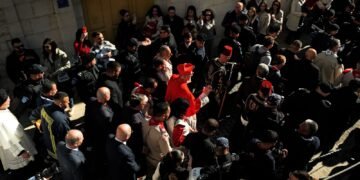
- Cardinal Pierbattista Pizzaballa, Latin Patriarch of Jerusalem, led the procession through the historic streets to Manger Square.
- The cardinal blessed the children of Bethlehem, emphasizing the importance of light and hope, stating, "You are the light, we are the light."
- A nativity display featuring baby Jesus was unveiled in Manger Square for the first time since 2022.
- Prior to the procession, Cardinal Pizzaballa remarked on the necessity of looking forward despite ongoing difficulties, highlighting the need for solutions to the dire situation.
- The cardinal recently returned from Gaza, where he witnessed the struggles of approximately 400 people taking shelter at the Holy Family Parish amidst the war.
- Increased violence in the West Bank has been reported, including the approval of 19 new Israeli settlements condemned by several countries.
Full Report
Resuming a Time-Honored Tradition
The annual procession marked its return this year, with crowds gathering to watch as Cardinal Pizzaballa, flanked by supporters, marched along the historic path to Manger Square. Along the way, he offered blessings to the children, encapsulating the event’s spirit of hope. Upon reaching Manger Square, the cardinal addressed the multicultural audience, reinforcing the message that "the light of Bethlehem is the light of the world."
Reflections from the Cardinal
At the Mar Elias Monastery in East Jerusalem before the procession began, Cardinal Pizzaballa noted the significance of the event as a step toward reconciliation and positivity. "This is a sign that we want to turn the page to look forward," he stated, highlighting the pressing need for a constructive response to the continuing violence.
His recent visit to Gaza painted a stark picture of despair intermingled with resilience. "I was very struck by the resilience and their desire of life," he remarked, acknowledging the determination of Gazans to rebuild amidst unprecedented challenges.
Ongoing Violence in the Region
While the celebrations took place, the West Bank remains embroiled in conflict, with reports indicating rising violence accompanying the expansion of illegal Israeli settlements. Recently, Israel’s finance minister Bezalel Smotrich authorized the construction of additional settlements, a move met with international condemnation from several governments.
Tragic incidents have also marked the festive season. In Bethlehem’s Tuqu’ village, mourners grieve the death of 16-year-old Ammar, shot during an Israeli Defense Forces operation. His mother expressed her sorrow over the celebrations, questioning the injustice of lost lives amid public festivities.
Hope Amidst Sorrow
For many Palestinian Christians participating in the celebrations, the events are bittersweet. Local resident Monica Awad emphasized the need for hope: "It hurts us so much to see our friends and family suffering in Gaza… But there is always hope. We believe in hope for a better future."
Context & Previous Events
The war in Gaza began on October 7, 2023, following a deadly attack by Hamas that resulted in over 1,200 civilian casualties. Since then, conflict has escalated, leading to reports of nearly 71,000 Palestinians killed, a figure that includes both civilians and militants. The celebrations in Bethlehem come amidst this ongoing crisis, raising profound questions about peace and the future for communities on both sides of the conflict.