






















Japan Protests After Chinese Fighter Jets Lock Radar on Its Aircraft
Japan has lodged a formal protest following two incidents in which Chinese fighter jets reportedly locked their radars onto Japanese aircraft. This escalation is reflective of deteriorating relations between the two nations amid rising tensions concerning military activities in the region.
Why It Matters
The ongoing military confrontations between Japan and China illustrate the fragility of diplomatic ties in East Asia. As both nations engage in increasingly aggressive posturing, the apprehensions surrounding potential military actions—particularly regarding Taiwan—raise significant concerns for regional stability and global security.
Key Developments
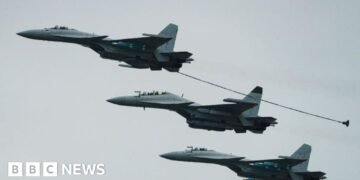
- Two incidents occurred off Japan’s southern Okinawa islands on Saturday, where Chinese J-15 jets reportedly locked radars onto Japanese jets.
- Japan scrambled its fighter jets in response; however, there were no reports of injuries or damage.
- Japanese Prime Minister Sanae Takaichi condemned the radaring of Japanese aircraft, labeling the actions “extremely regrettable.”
- Tokyo aims to maintain a calm response while urging measures to prevent future provocations.
- The Chinese navy dismissed Japan’s claims as “inconsistent with the facts,” asserting that their training exercise had been pre-announced.
- Last month, tensions intensified after Takaichi suggested military action could be an option if Beijing were to attack Taiwan.
Full Report
Escalation of Tensions
The reported radar locking incidents took place on Saturday during a period of heightened military activity in the region. Japan’s defense ministry characterized the intentions of the Chinese J-15 jets as “unclear.” A Japanese defense official noted that if the Chinese jets were merely trying to locate other aircraft, locking onto Japanese planes was unnecessary. Despite this, Japan responded by scrambling its fighter jets.
Official Reactions
Prime Minister Takaichi addressed the situation, expressing Japan’s strong protest to China and emphasizing the need for preventive measures against similar incidents in the future. “We will respond calmly and resolutely,” she stated during a press conference held in Wajima, Ishikawa prefecture.
In contrast, the Chinese navy refuted Japan’s assertions. A statement from the navy labeled Japan’s claims as unfounded and urged Tokyo to cease its accusations. Beijing further stated that the military exercises conducted by the Chinese forces in the region had been previously disclosed.
Recent Developments in Military Dynamics
This altercation follows another incident just weeks prior, where Japan scrambled its aircraft in response to the detection of a suspected Chinese drone near Yonaguni, an island close to Taiwan. Japan has announced plans to deploy missiles from Yonaguni, a move that has provoked strong reactions from Beijing.
Amid rising tensions, China has advised its citizens to avoid travel to Japan, reflecting the broader repercussions of strained diplomatic relations. Recently, China has also imposed a ban on the importation of seafood from Japan and halted the screening of popular Japanese films, signaling a deeper impact on cultural and economic ties.
Context & Previous Events
Diplomatic relations between Japan and China have been increasingly strained in recent weeks, particularly following Prime Minister Takaichi’s comments regarding military options related to Taiwan. Beijing views self-governing Taiwan as a breakaway province and has not ruled out the use of military force to achieve reunification.
The complex relationship between the two neighbors is further complicated by conflicting narratives from their coast guards surrounding confrontations near disputed islands in the East China Sea, highlighting the urgency of addressing escalating tensions.