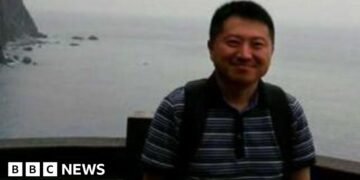























Independent Journalists Detained After Exposing Corruption in Sichuan
Liu Hu and Wu Yingjiao, two journalists known for their investigative work, have been reportedly arrested following their exposure of corruption linked to a prominent Sichuan official. This incident highlights ongoing concerns regarding press freedoms and governmental accountability in China.
This development is significant as it underscores the perilous landscape for investigative journalism in regions where freedom of expression is curtailed. The detention of these journalists raises questions about the safety of individuals who dare to confront corruption, as well as the broader implications for transparency in governance.
Key Developments
- Liu Hu and Wu Yingjiao were detained after revealing corrupt practices among high-ranking officials.
- The journalists’ investigation focused on significant financial misconduct in Sichuan.
- The authorities have not released any formal statements regarding the reasons for the detention.
Full Report
Details of the Detention
Reports indicate that the detainment of Liu and Wu occurred shortly after their findings were made public. Their investigation suggested misuse of public funds and bribery involving a senior government official. The release of their findings raised significant public interest and scrutiny.
Potential Consequences
The arrests have sparked widespread concern among press organizations and human rights groups about the implications for journalists in China who focus on exposing corruption. The chilling effect on independent reporting could impede future investigations and lead to increased self-censorship in the media.
Reactions from the Community
Journalistic communities both within China and internationally have expressed alarm over the detainment. Many advocates for press freedom argue that this action represents a dangerous precedent that could further restrict the already limited space for investigative journalism.
Context & Previous Events
The detainment of Liu and Wu is part of a troubling trend aimed at silencing whistleblowers and independent journalists in China. In recent years, there have been increased crackdowns on media personnel involved in exposing governmental or corporate misconduct, which raises significant concerns about democratic accountability and the rule of law.