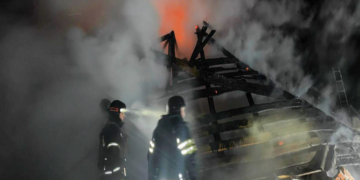























Ceasefire in Lebanon: Tensions Surge Amid Increased Israeli Attacks
Recent data reveals a troubling trend in the ongoing ceasefire between Israel and Hezbollah, illustrating a fragile peace that has been under continuous threat since its inception over a year ago. Despite the agreement, Israeli airstrikes on Lebanese territory have escalated sharply, raising alarm among local populations and international observers.
Why It Matters
The deterioration of this ceasefire poses significant risks not only to the stability of Lebanon and Israel but also to the wider region. With thousands of violations reported and civilian casualties rising, the potential for renewed conflict could have far-reaching implications for regional security and humanitarian conditions.
Key Developments
- Over the past year, a total of 1,846 Israeli airstrikes have been recorded in Lebanon, resulting in an average of six attacks per day in December alone.
- The UN has flagged more than 10,000 violations of the ceasefire agreement, including military operations and unauthorized aircraft incursions.
- At least 127 civilians have died from Israeli bombings since the ceasefire was enacted.
- Israel maintains five military bases within Lebanon, contrary to the ceasefire stipulations that required them to withdraw from the area south of the Litani River.
- Satellite imagery confirms recent construction of an additional Israeli military base, raising concerns about Israel’s commitment to the terms of the ceasefire.
Full Report
Escalating Conflict
The situation in Lebanon is increasingly volatile with significantly heightened Israeli military activity reported since the ceasefire began. Recent months marked the highest frequency of attacks since March, signaling a severe breach of the truce that was meant to ensure peace in the region.
The UN peacekeeping mission in southern Lebanon, UNIFIL, reported that the agreement has been violated more than every 53 minutes since its implementation. This multitude of breaches encompasses Israeli airstrikes, ground operations, and incursions into Lebanese airspace. Additionally, UNIFIL has discovered over 360 abandoned weapons caches, which Israel claims are indicative of Hezbollah’s military buildup—a claim denied by Hezbollah and UNIFIL officials.
Israeli Justification and Security Concerns
An IDF spokesperson asserted that operations are conducted to counteract Hezbollah’s alleged attempts to restore military power in southern Lebanon. The spokesperson emphasized that continued enforcement of military presence is crucial for the safety of Israeli civilians.
Despite arguments made by Israel regarding Hezbollah’s military intentions, UNIFIL’s deputy spokesperson contradicted these claims, stating the weapon caches were not actively guarded and were presumed abandoned or already damaged.
The Humanitarian Crisis
The Israeli attacks have not only claimed lives but also instigated a humanitarian crisis. Currently, over 64,000 Lebanese individuals remain displaced due to ongoing hostilities and military operations. Reports highlight towns like Aita al Chaab, where a staggering 91% of buildings have been destroyed, leaving communities in ruins.
Residents express fear regarding reconstruction efforts, claiming that anyone who attempts to rebuild faces repercussions from Israeli forces. This situation underscores the dire need for stability and a renewed commitment to the ceasefire agreement.
Context & Previous Events
The ceasefire was originally established to promote peace between Israel and Hezbollah, requiring both parties to disengage from southern Lebanon. However, the encroachment of Israeli military bases and ongoing violations has led to a deteriorating situation.
Originally set to withdraw by 27 January 2025, the deadline was extended to 18 February, yet actions such as recent base constructions indicate a firm Israeli presence remains entrenched in the area. The complexities of disarmament negotiations between Israel and Hezbollah complicate the ceasefire’s future, as disputes over military infrastructure continue to loom large.
The need for an effective and enforceable ceasefire solution has never been more urgent, with local populations suffering the destabilizing effects of ongoing conflict.