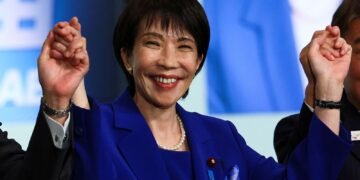























Japan’s Snap Election Puts First Female Prime Minister to the Test
Japan is set to hold a snap election this Sunday, marking a pivotal challenge for Sanae Takaichi, the nation’s first female prime minister. With her Liberal Democratic Party (LDP) anticipated to secure a strong mandate, Takaichi’s leadership will be scrutinized, particularly among the younger demographic that has rallied around her.
Why It Matters
This election represents a crucial moment not only for Takaichi, but also for the future of the LDP, which faces significant competition from emerging populist parties. With voters under 30 showing overwhelming support for Takaichi, the election may redefine party dynamics and challenge traditional voter alignments in Japan.
Key Developments
- Popularity Surge: A recent poll indicated around 90% of voters under 30 back Takaichi, with her overall approval at approximately 60%.
- Electoral Strategy: Takaichi’s call for the snap election is an attempt to capitalize on her favorable ratings and strengthen the LDP’s position in parliament.
- Tension with China: Takaichi’s comments regarding Taiwan and Japan’s potential involvement in conflict have escalated tensions with Beijing.
- Social Media Influence: Takaichi has amassed a considerable following on social media, particularly among younger voters, contributing to her popularity.
Full Report
Takaichi’s Rise to Power
Sanae Takaichi was elected leader of the LDP in October, following the resignation of her predecessor who faced losses in recent elections. As a prominent figure connected to the late prime minister Shinzo Abe, she aims to restore confidence in the LDP amidst criticisms of past economic policies and political scandals.
Political Stance and Policies
Takaichi’s political philosophy is characterized by ultra-conservatism, particularly regarding social policies. She advocates for a bolstered military, fiscal spending aimed at economic growth, and traditional stances on family roles concerning women. Despite her conservative views, she has also discussed gender health issues, aiming to connect with a broader audience.
Snap Election Justification
The decision to call a snap election is viewed as a strategic maneuver by Takaichi, seeking to solidify her party’s control after facing significant losses in previous elections. Polls suggest the LDP could increase its count of seats, potentially gaining a supermajority which would afford them greater legislative power.
Social Media Engagement
Takaichi leverages social media effectively, significantly outpacing her opposition in follower count. Her engaging posts, including videos of her drumming and public interactions, have resonated with younger voters, although concerns persist about their actual voter turnout.
Context & Previous Events
This election follows a series of losses for the LDP, which has historically dominated Japanese politics. Takaichi’s rise comes after a tumultuous period for her predecessor, who left office amid widespread criticism of the party’s governance. In November, her comments regarding Japan’s potential role in a China-Taiwan conflict have already strained diplomatic relations, complicating her leadership narrative.
As Japan approaches this electoral crossroads, the outcomes could significantly shift the political landscape, impacting both domestic policies and international relations in the region.