






















California School District’s Controversial Sex Education Curriculum Sparks Debate
A California public school district’s sex education curriculum has ignited controversy after the contents were revealed, focusing on themes of “privilege,” oppression, and diverse gender identities. The material, obtained by Fox News Digital, is part of a broader program utilized by the Woodland Unified School District and aims to address complex social issues within a classroom setting.
Why It Matters
This development raises critical questions about the role of public education in addressing topics related to gender, sexuality, and privilege. With increasing scrutiny from parents and advocacy groups, the curriculum reflects broader societal debates about how to approach these sensitive subjects in schools and the implications for student well-being and parental rights.
Key Developments
- The curriculum features a module called Teen Talk that introduces concepts of “privilege” and oppression.
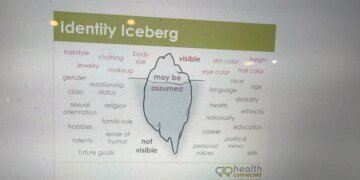
- Slides include the “Identity Iceberg,” which discusses visible and assumed traits of identity.
- A “Wheel of Privilege/Power” categorizes individuals based on different aspects of identity, including gender, body size, and race.
- Gender dysphoria is explained as discomfort stemming from a disconnect between one’s body and identity.
- Students are encouraged to use and display preferred pronouns in various settings.
- The Woodland Unified School District asserts that it provides opt-out options for parents who object to the curriculum.
Full Report
Content Overview
The sex education material includes a module titled “Teen Talk” that delves into themes of identity and societal privilege. One significant slide titled “Identity Iceberg” outlines how some identity attributes, such as body type and skin color, are visible, while others—like gender and sexual orientation—are often based on assumptions.
The “Wheel of Privilege/Power” provides a ranking system that categorizes individuals based on perceived levels of privilege connected to gender, race, and body size. For example, it identifies transgender, intersex, and non-binary individuals as marginalized, whereas cisgender men are described as having the most power. Similarly, a ranking based on body size categorizes larger individuals as more marginalized than their slimmer counterparts.
Discussions Around Gender and Systems of Oppression
The curriculum places a heavy emphasis on gender, with a slide defining gender dysphoria and detailing its implications. Another component of the module states that intentionally misgendering someone qualifies as sexual harassment. Additionally, a slide addresses the spectrum of gender identity, highlighting that many categories, including “male” and “female,” may not adequately reflect individual experiences.
Promoting Respectful Interactions
Towards the end of the module, practical tips for respectful interactions are provided, instructing students to share their pronouns openly and to introduce themselves using these preferred pronouns. This educational approach emphasizes inclusivity and respect for individual identities.
District’s Response
The Woodland Unified School District responded to inquiries regarding the curriculum, emphasizing their commitment to following state laws and creating a safe learning environment. They acknowledged that families may hold differing opinions about the content and highlighted available opt-out options for parents and guardians.
Context & Previous Events
The curriculum is part of a larger educational framework developed by Health Connected that aims to address complex social issues in public schools. It reflects ongoing discussions about the place of sex education in American schools and the implications for student rights and parental involvement in educational content.






