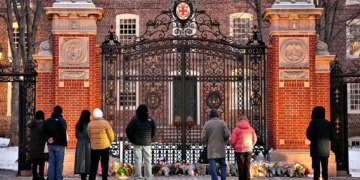























Brown University Shaken by Recent Shootings as Spring Semester Begins
Brown University commenced its spring semester amid lingering trauma from a mass shooting that resulted in the deaths of two students and injuries to nine others. The incident has raised urgent questions regarding campus security and the effectiveness of existing safety protocols following delayed responses that allowed the perpetrator to carry out a subsequent attack at MIT.
Why It Matters
The events at Brown University have brought national attention to issues of campus safety, emergency response protocols, and gun control measures. The broader implications of this tragedy resonate within the educational community and beyond, sparking discussions on how to prevent similar incidents in the future.
Key Developments
- Brown University students returned to campus following a mass shooting on December 13, which left two students dead and nine others injured.
- The alleged shooter, Claudio Manuel Neves-Valente, is linked to both the Brown and MIT shootings.
- Questions have arisen over the university’s security measures, particularly around the response time during the shooting.
- Brown University President Christina Paxson announced enhanced security protocols, including a stricter ID card requirement and a review of campus safety measures.
- A new student group, “Students Demand Action at Brown University,” plans to discuss policy changes aimed at improving safety.
Full Report
Campus Response to Tragedy
As classes resumed, students expressed the emotional challenges of returning to the site of the shooting. Graduate student Jack DiPrimio shared the impact of the incident, noting the emotional difficulty of encountering memorials dedicated to deceased classmates Ella Cook and Mukhammad Aziz Umurzokov.
The Shooter and Security Oversight
Neves-Valente, a 48-year-old from Portugal, had reportedly been planning the attack for several months, as indicated by a recording released by the Department of Justice. He managed to evade local law enforcement temporarily, which has raised significant concerns about the adequacy of the university’s security systems during the incident.
Federal Criticism
The Trump administration’s Department of Education criticized Brown’s surveillance and emergency notification systems, calling them inadequate under federal law. Delays in alerting the campus community during the shooting have heightened scrutiny of the university’s emergency protocols.
New Safety Measures
In the aftermath, President Paxson outlined plans for a review of campus safety, including the establishment of a rapid response team and the closure of certain buildings to enhance security. These measures are intended to restore students’ sense of safety and prevent future incidents.
Student Activism
In response to the trauma of the shootings, students have organized to discuss potential safety reforms. The group’s first meeting is scheduled for January 21, where participants will work to outline actionable strategies, including advocating for changes at both the state and federal levels.
Context & Previous Events
The shooting at Brown occurred on December 13 when a gunman opened fire during a review session in a classroom, leading to a chaotic scene. Following the initial attack, Neves-Valente also shot a professor at MIT, further complicating the narrative surrounding the events and raising alarms about security measures at educational institutions.






