






















Shooting at Brown University Uncovers Surveillance Gaps in City’s Crime Center
The recent shooting at Brown University has highlighted significant deficiencies in Providence’s "real-time crime center," which, despite a $1 million investment, lacks access to surveillance footage from the campus where tragedy struck. This incident left two individuals dead and nine others injured, raising urgent questions about public safety in the area.
Why It Matters
The shooting at one of America’s prestigious universities not only touched the lives of those within the campus community but also spotlighted systemic flaws in urban crime prevention initiatives. The absence of surveillance capabilities during such critical incidents may hinder law enforcement’s ability to respond effectively and raise concerns about the safety measures in place for students and residents.
Key Developments
- Two victims, Mukhammad Aziz Umurzokov and Ella Cook, lost their lives in the shooting at the Barus and Holley engineering building.
- The City of Providence’s "real-time crime center," launched in August, notably lacks access to Brown University’s surveillance cameras.
- A person of interest was temporarily detained but later released due to insufficient evidence linking him to the crime.
- Mayor Brett Smiley emphasized the importance of public safety but faced criticism regarding the center’s limitations.
- Security expert Eric O’Neill argued that access to the university’s camera feeds could have resulted in quicker police alerts.
Full Report
Authorities reported the shooting occurred around 4 p.m. on a recent Saturday, leading to immediate casualties and a wide-ranging investigation. The victims included Ella Cook, a 19-year-old student and vice president of the Brown University College Republicans, and Mukhammad Aziz Umurzokov.
In the aftermath, it was revealed that the newly established crime center, which is funded through a federal grant, was designed to monitor multiple surveillance feeds across the city. Nevertheless, when the shooting happened, the center did not include any video surveillance from Brown’s campus—a major oversight that has raised alarms among local officials and security experts.
Mayor Brett Smiley, when announcing the launch of the crime center, had expressed a commitment to enhancing neighborhood safety, saying, “This investment in Providence’s Real Time Crime Center strengthens our ability to protect neighborhoods." However, the shooting revealed that without access to critical surveillance, such investments may not bring the expected improvements in public safety.
Detective Maj. David Lapatin of the Providence Police highlighted that the absence of video feeds from Brown University, as well as from nearby residences, hindered their investigative capabilities.
Eric O’Neill, a former FBI operative, noted the missed opportunity for real-time monitoring could have potentially expedited police responses. "There’s real-time monitoring, which would have meant that someone would have seen the activity on the cameras and perhaps law enforcement could have been alerted earlier," he stated.
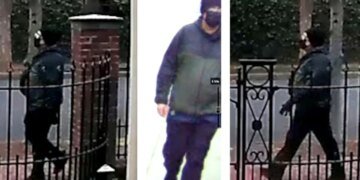
In the ongoing investigation, police have released images and videos of a person of interest, but as yet, no formal identification or arrest has been made.
Context & Previous Events
The City of Providence announced its "real-time crime center" in August 2025, emphasizing its potential to enhance public safety through advanced monitoring capabilities. However, this initiative’s effectiveness is now under scrutiny following the events at Brown University, raising significant questions about collaborative efforts in crime prevention between local law enforcement and educational institutions.






