
























Fatal ICE Shooting Sparks National Debate on Immigration Tactics
The recent shooting of a U.S. citizen by an ICE agent during an enforcement operation has ignited intense scrutiny of immigration policies and federal enforcement strategies. This tragic incident, described by commentators as a turning point, raises critical questions about safety, community trust, and the accountability of federal agents on U.S. streets.
Why It Matters
This incident exemplifies the tension between federal immigration enforcement and local community safety. It underscores the urgent need for dialogue on the impact of aggressive tactics on public trust, particularly in immigrant-heavy communities. As debates over immigration policy intensify, the reactions to this incident may influence broader discussions about enforcement practices across the country.
Key Developments
- An ICE agent shot and killed a U.S. citizen, Renee Good, during a recent enforcement operation.
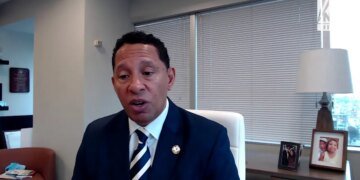
- Minnesota Governor Tim Walz criticized federal agents, asserting they are instilling fear rather than safety in communities.
- Various local officials, including Minneapolis Mayor Jacob Frey, expressed outrage over the federal enforcement tactics, emphasizing the need for constructive dialogue.
- The White House and Department of Homeland Security labeled the shooting an act of domestic terrorism, claiming the ICE agent acted in self-defense.
- The incident sparked a nationwide debate on social media, reflecting polarized perceptions based on political affiliations.
Full Report
Incident Overview
The fatal shooting, which occurred during a routine enforcement operation, left residents in shock and led local officials to voice concerns about the methods used by federal agents. Governor Walz highlighted that rather than fostering safety, the presence of unmarked vehicles and unidentified agents has created an atmosphere of fear within communities nationwide.
Community Reactions
Commentators have noted the growing outcry from local officials, including Mayor Frey, who addressed the shooting with strong language, reflecting the community’s disbelief and anger over the circumstances leading to Good’s death. Their remarks suggest a call for accountability and a reevaluation of ICE’s role in local law enforcement.
National Media Response
The rapid dissemination of video footage capturing the shooting prompted immediate commentary from various political angles. Analysts observed a distinct division in narratives, with supporters of the Trump administration framing the incident as justified, while opponents criticized it as an egregious act of violence. This division points to a troubling trend where political affiliations shape interpretations of events rather than the evidence itself.
Broader Implications
The discussion has evolved beyond the immediate incident, prompting wider conversations about the implications of current immigration policies under the Trump administration. Observers noted the administration’s continued dismissal of traditional legal frameworks, instead prioritizing power dynamics in foreign policy and immigration strategies. This approach has raised concerns regarding international relations and domestic stability.
Context & Previous Events
This incident occurs against a backdrop of heightened immigration enforcement and controversies surrounding the treatment of immigrants and refugees in the U.S. The administration’s stance is often portrayed as a significant departure from established norms, igniting debates around the ethics of power usage in both immigration and foreign policy.
As community members and leaders continue to grapple with the ramifications of the shooting, the conversation about the role of ICE and broader immigration laws is likely to persist, highlighting deep-seated concerns over safety and governmental accountability.