






















Tragic Toll of Protests in Iran: Family Stories Amid Rising Violence
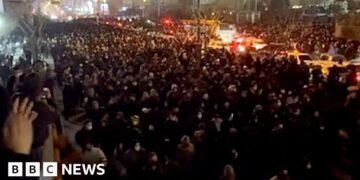
Amid ongoing protests in Iran, the country is grappling with a humanitarian crisis as reports emerge of extensive casualties and government crackdowns. The heartbreaking accounts of families torn apart by violence highlight the urgent need for international attention and action.
Why It Matters
The protests began in response to economic struggles and have escalated into widespread calls for political reform, showcasing deep discontent with the clerical government. The rising death toll and brutal suppression of dissent pose a significant threat to civilians and underline the urgent need for global scrutiny of Iran’s human rights practices.
Key Developments
- The US-based Iranian Human Rights Activists News Agency (HRANA) reports at least 2,400 protesters have been killed, including children, amid the government’s violent crackdown.
- The Iranian government has imposed an internet blackout, complicating efforts to verify casualty figures.
- Local media suggest over 100 security personnel have been killed, while government officials label protesters as "rioters and terrorists."
- Witness reports describe a brutal response from security forces, with allegations of deliberate targeting of protesters.
Full Report
Personal Tragedy Amid Violence
One poignant story is that of Reza, who lost his wife, Maryam, during a demonstration in Tehran. As he tried to protect her, a bullet struck her fatally. He carried her body for an hour and a half before being assisted by locals who provided a white sheet to cover her remains. Just days prior, Maryam had warned her children that protesting could have dire consequences. Her chilling statement, "My blood, and yours, is no more precious than anyone else’s," resonates with many families affected by the violence.
Scale of the Crackdown
The protests began on December 29, sparked by a crippling fall in the Iranian currency. What started as economic grievances morphed into widespread protests against the ruling clerics. Recent reports indicate that the bloodiest days occurred during protests on January 5-6, which saw escalating brutality from security forces. Eyewitness accounts reveal that protesters are being targeted deliberately, with one source indicating a systematic approach to aim for headshots.
Disturbing Scenes in Forensic Centers
Many of the deceased are now at the Kahrizak Forensic Medical Centre in Tehran. One individual, who traveled nearly 1,000 kilometers to evade detection, reported seeing over 2,000 bodies inside the center. Videos corroborating the numerous fatalities show a grim reality, with independent analysis indicating at least 186 bodies identified in one clip alone.
Growing Fear and International Concern
With the protests spreading across all 31 provinces in Iran, dissenters are expressing their deep fears about potential retaliations. One woman, who chose to flee the country amidst prevailing fears of executions, described the situation as akin to war. Her sentiments echo those of many who now grapple with the pervasive threat of punitive measures against dissenters and their families.
Context & Previous Events
The unrest ignited on December 29, 2022, following severe economic challenges faced by the population. As protests gained momentum, calls for changes in leadership became prominent, igniting government crackdowns that resulted in substantial civilian casualties. The authorities have characterized the movements as unlawful, perpetuating a cycle of violence that threatens the very fabric of Iranian society.
The unfolding crisis reveals the scale and severity of the state’s response to dissent, prompting urgent calls for accountability and humanitarian intervention.