






















BBC Leadership Faces Intense Scrutiny Amid Controversy Over Trump Speech Edit
The BBC’s board members, including non-executive director Sir Robbie Gibb, have refuted claims of a “board-level orchestrated coup” following a significant scandal involving a controversial edit of a speech by former U.S. President Donald Trump. The allegations emerged during a parliamentary inquiry that examined the fallout from the edited content, which led to the resignation of top BBC executives and potential legal action from Trump.
Why It Matters
This situation not only threatens the leadership stability of one of the world’s most respected media organizations but also raises critical questions about perceived biases and editorial integrity within the BBC. The outcome could have lasting implications for the broadcaster’s reputation and its ability to maintain public trust amid ongoing political tensions.
Key Developments
- Sir Robbie Gibb labeled accusations of an orchestrated coup as “complete nonsense,” asserting they are offensive to fellow board members.
- BBC chair Samir Shah admitted the organization was too slow to respond to the controversies surrounding Trump’s edited speech, which he believed warranted a quicker decision-making process.
- Former BBC editorial adviser Michael Prescott expressed concerns about systemic issues at the broadcaster, stating there is a “denial” about existing problems.
- Despite a public apology issued by the BBC, Trump plans to file a lawsuit claiming defamation, estimating damages between $1 billion and $5 billion.
- Shah suggested a possible restructuring of the BBC leadership, proposing a deputy director-general focused on journalism to support current leadership.
Full Report
Board Members Respond to Allegations
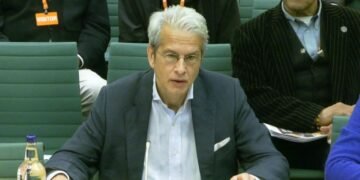
In recent hearings before the Culture, Media and Sport committee, Sir Robbie Gibb defended his board position amidst intensified scrutiny regarding his previous role as director of communications under former Prime Minister Theresa May. He expressed a commitment to impartiality, stating, “I want to hear the full range of views,” and expressed that the insinuations of a coup were baseless.
Insights on the Controversy
The inquiry has roots in a leaked memo by Prescott, which drew attention to a problematic edit of Trump’s remarks during the January 6 events. Gibb emphasized that such theories are damaging, both to the board’s credibility and to the BBC’s integrity, insisting that his political past is being mischaracterized.
Calls for Faster Responses
Chair Samir Shah acknowledged the organization’s failure to address the situation expediently, noting the delay in issuing an apology after the leaked memo surfaced. He asserted that prompt action would have been more appropriate and hinted that the BBC’s response mechanisms need significant improvement.
Future Leadership Structure
During the discussion, Shah highlighted the demanding nature of the director-general role, suggesting it may be too vast for one individual. He announced plans for a job search for a new director-general while advocating for a restructuring that includes a dedicated position focused solely on journalism, an area he identified as crucial for the BBC’s mission.
Context & Previous Events
This recent controversy is not an isolated event but adds to an ongoing discourse about media impartiality, particularly regarding the BBC’s handling of politically sensitive content. The fallout from the Panorama edit has already resulted in high-profile departures and has raised questions about the standards of editorial practice within the BBC.