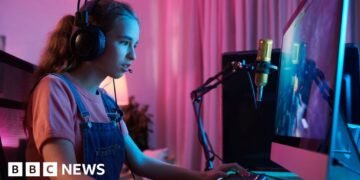























Gaming Platforms Excluded from Australia’s Social Media Ban for Minors: Implications and Concerns
In a move aimed at safeguarding minors from cyberbullying and harmful content, Australia has implemented a "world-first" ban on social media accounts for users under the age of 16. However, critics voice concerns that the ban fails to address the risks posed by popular gaming platforms, leaving a significant gap in the protection of young users.
Why It Matters
The exclusion of gaming platforms from the ban raises questions about the comprehensive safety of children online. With many youths spending extensive hours on gaming and associated social media, the risks linked to these platforms—including exposure to predators and harmful content—could undermine the intent of the legislation.
Key Developments
- Australia has banned minors from creating accounts on ten major social media platforms, including Instagram and Snapchat.
- The ban does not extend to gaming platforms such as Roblox and Discord, which are noted for their social interaction features.
- Dr. Daniela Vecchio, leading psychiatrist at Australia’s only gaming disorder clinic, questions the logic behind excluding gaming platforms from the ban.
- Reports indicate a rising demand for services to address gaming-related issues among youths, underlining the urgency for regulatory reforms.
Full Report
The Ban Details
On Wednesday, Australia’s social media ban came into effect, specifically targeting accounts for individuals under 16. The intent, as communicated by officials, is to protect young users from exposure to dangerous online environments.
Voices from the Clinic
For instance, Sadmir Perviz, a 15-year-old patient attending a gaming disorder clinic, has transitioned from online gaming to tabletop games to foster more meaningful social interactions. "You can interact with people, so you actually know who’s there," he explained, emphasizing the difference between online and in-person engagements.
Dr. Vecchio, who established the clinic, contends that gaming and social media intersect significantly, creating a paradox where banning one without the other fails to mitigate risks effectively. "Gaming and social media are so interconnected," she elaborated, questioning why gaming platforms were excluded from protective measures.
Rising Concerns
Research indicates that as much as 2.8% of Australian children may be affected by gaming disorder. Parents and experts have raised alarms regarding platforms like Discord and Roblox, where more vulnerabilities may exist, including exposure to explicit content. While Roblox has recently implemented age verification features, critics argue this is a reactive rather than proactive approach to ensuring child safety.
Kevin Koo, a former patient at the clinic, reflected on his own experiences, stating, "I think that for me, the damage has already been done." His concerns reflect a broader sentiment that current measures may not be adequate to address the root issues at hand.
Government’s Stance
The Australian government has articulated that the ban is designed to combat various online threats, such as cyberbullying and harmful algorithmic recommendations. However, experts argue that the criteria used for banning specific platforms lack clarity and fail to address the complexities of online interactions.
Communications Minister Anika Wells has indicated that the government is committed to continuously reviewing the landscape of banned platforms, suggesting that adjustments may be made as new information becomes available.
Context & Previous Events
The social media ban’s implementation follows increasing recognition of gaming disorder as a legitimate mental health issue by the World Health Organization. This growing prominence reflects changing societal attitudes toward the impacts of excessive screen time and online gaming on youth well-being.
Despite these developments, the legislation’s narrow focus on social media rather than a more holistic approach to online interactions has prompted calls for deeper scrutiny into children’s engagement with digital platforms beyond traditional social media.