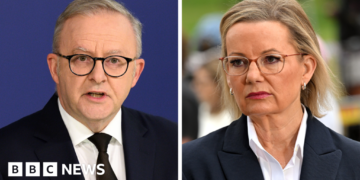























Political Fallout from Bondi Shooting Divides Australia
Australians are reeling from the recent backlash following the politicization of the Bondi Beach tragedy, where gunmen claimed 15 lives during a Hanukkah event. As mourning for the victims took a backseat to political disputes, many Australians are left questioning the integrity of their leaders in times of crisis.
Why It Matters
The Bondi shooting represents not only a national tragedy but highlights the growing polarization in Australian politics amid rising concerns over antisemitism. This incident has thrust longstanding societal fractures into the spotlight, reflecting the urgent need for a unified and effective governmental response to violence and discrimination.
Key Developments
- The November shootings at Bondi Beach left 15 people dead, including a child, during a memorial for the Jewish festival of Hanukkah.
- The tragedy was marred by political disagreements, particularly surrounding proposed reforms related to gun control and antisemitism.
- Prime Minister Anthony Albanese faced mounting criticism for perceived inaction regarding rising antisemitic incidents, with calls for a national inquiry dismissed as politically motivated.
- Opposition leader Sussan Ley encountered her own challenges, ultimately leading to the collapse of her coalition as various factions failed to unify behind crucial hate speech legislation.
- Polls indicate a plunge in the public approval ratings for both Albanese and Ley, reflecting growing discontent with political responses to the tragedy.
Full Report
Political Responses
As families mourned their losses, a stream of politicians quickly took to the media to express blame. The political discourse escalated, with accusations directed at immigration policies and calls for stricter gun control manifesting as the backdrop of grief. Veteran commentator Malcolm Farr remarked on the timing of the politicization, labeling it "unfortunate."
National Outcry and Reactions
Albanese was met with public hostility during memorials, booed by attendees who felt their concerns were ignored. Accusations have circulated that his administration was slow to acknowledge the rising tide of antisemitism, evidenced by a spike in incidents, rising from an average of 342 to 1,654 in the past year.
Despite making changes to gun laws, Albanese’s proposals were attacked as distractions from the overarching issue of discrimination. The political landscape, characterized by deep divisions, has led some experts to claim that society has grown more fractured since the Port Arthur massacre in 1996, which had previously united leaders across the aisle.
Calls for Action
In the aftermath of the Bondi attack, demands for immediate action grew louder. While Albanese proposed a crackdown on hate speech, critics contended that these measures could restrict free speech and failed to adequately protect all minority groups. Many are calling for a royal commission to investigate the issue further, but Albanese has resisted, citing concerns that it could exacerbate existing tensions.
Coalition Collapse
The turbulence culminated in the National Party’s withdrawal from the coalition, rejecting legislative proposals that many felt threatened free speech. Ley’s leadership has been called into question as tensions within the coalition crystalized. Parliamentary factions struggled to coalesce, leading to a loss of political momentum amid dire public scrutiny.
Context & Previous Events
The Bondi Beach shooting marks Australia’s deadliest mass shooting since the Port Arthur massacre in 1996, which resulted in comprehensive gun reform. Following that event, Australian politicians united to enact significant changes in gun control laws, showcasing a stark contrast to the current political climate, which many see as rife with division over critical issues like gun legislation and responses to antisemitism. The recent attack has coincided with a broader conversation about the ongoing conflict in the Middle East and its impact on sentiments within Australia, contributing to the complexity of the national response to domestic violence and hate speech.