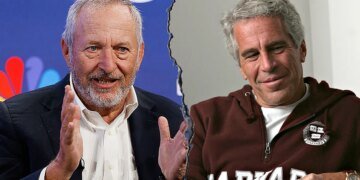























American Economic Association Excludes Larry Summers for Life Amid Epstein Controversy
In a significant move reflecting professional standards in academia, the American Economic Association (AEA) has issued a lifetime ban against Larry Summers, the former president of Harvard University. This action underscores the association’s commitment to integrity in the field of economics, particularly in light of Summers’ connections to the late financier Jeffrey Epstein.
Why It Matters
This decision by the AEA signals a broader push within academic circles to hold individuals accountable for their associations and conduct, particularly when it pertains to ethical standards in the profession. The repercussions of this ban extend beyond Summers to influence how institutions evaluate their affiliations and the principles guiding academic integrity.
Key Developments
- The AEA announced the lifetime ban and acceptance of Summers’ resignation on its official website.
- Summers is prohibited from attending or participating in any AEA events or publications.
- The association cited Summers’ communications with Epstein as a violation of its professional integrity standards.
- The announcement follows the recent emergence of emails revealing an ongoing relationship between Summers and Epstein.
- Amid growing backlash, Summers has withdrawn from multiple public roles and commitments.
Full Report
Lifetime Ban Imposed
The American Economic Association (AEA) has taken definitive action against Larry Summers, formally accepting his resignation and instituting a lifetime bar from its membership. This prohibition includes restrictions on attending, speaking, or participating in any AEA-sponsored activities, as well as serving in editorial roles for AEA publications. In its official statement, the AEA expressed its condemnation of Summers’ conduct, deeming it inconsistent with the association’s standards of professional integrity.
Escalating Scrutiny
This ban follows the disclosure of emails that reveal the nature of Summers’ relationship with Epstein, which became a focal point for criticism. Prominent among these communications was a message in which Epstein referred to himself as a “wing man” for Summers. This revelation has intensified scrutiny not only on Summers but also on Harvard University’s ties to Epstein, including his financial contributions and campus presence over the years.
Public Backlash and Consequences
The discourse surrounding Summers has escalated in recent weeks, especially following the viral circulation of a student-recorded video in which Summers faced pointed questions about his past associations. The video prompted campus protests, amplifying calls for accountability and transparency in academic leadership. As a result of the mounting pressure, Summers has also stepped back from roles at several organizations, including OpenAI and the Center for American Progress.
Context & Previous Events
Larry Summers served as Harvard’s president from 2001 to 2006 and has faced criticism in recent years for maintaining contact with Epstein despite the financier’s prior conviction in 2008. Harvard itself has been scrutinized over its longstanding connections with Epstein and the implications of those ties for the institution’s reputation. The AEA’s decision reflects ongoing debates regarding ethical conduct within academia and the responsibility of institutions to uphold standards of integrity.






