






















Airbus has initiated a significant recall affecting 6,000 A320 aircraft, marking a historic moment for the company as it confronts one of the largest challenges in its 55-year history. This development, which comes shortly after the A320 became the world’s most-produced commercial aircraft, raises serious concerns about safety and operational disruptions for airlines globally.
The urgency of this recall stems from an incident involving an A320-family plane, where data critical to flight control was compromised due to intense solar radiation. As more than half of the global A320 fleet faces this issue, the repercussions could be far-reaching for airlines already navigating a complex recovery from pandemic-related disruptions.
Key Developments
- Airbus has notified over 350 operators about the need for immediate repairs on roughly 6,000 A320 aircraft.
- Two-thirds of affected planes are expected to undergo short groundings, reverting to prior software versions.
- Some aircraft may require hardware replacements, leading to potentially lengthy delays.
- British Airways reports minimal impact with only three aircraft requiring overnight fixes.
- American Airlines, the largest operator of A320s, anticipates repairs for about 340 of its A320 fleet to be completed by the weekend.
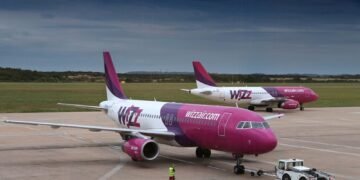
- Several airlines, including Lufthansa and Wizz Air, are implementing necessary updates; however, some disruptions to flight schedules are anticipated.
- Colombian airline Avianca faces significant operational challenges, affecting over 70% of its fleet, and has halted ticket sales until December.
- United Airlines and Azul Airlines confirmed they are not affected by the recall.
Full Report
Airlines Respond
Airlines are moving swiftly to comply with Airbus’s directive. British Airways stated that necessary updates would not disrupt operations despite a limited number of affected aircraft. American Airlines, operating the largest A320 fleet, indicated that it expects to complete the necessary fixes over the weekend, estimating about two hours for each unit needing the update.
Delta Air Lines expressed confidence that their operational impact would be minimal, and Lufthansa acknowledged the possibility of some flight cancellations while confirming compliance with Airbus’s recommendations. Wizz Air also noted that it has scheduled maintenance for its aircraft, though it may affect flights over the weekend.
International Impact
Avianca, a major player in Colombia, reported that the recall impacts over 70% of its fleet, leading to “significant” operational disruptions and a suspension of ticket sales through early December. Meanwhile, Air India and IndiGo are both implementing the required software and hardware updates, with some flights likely to experience schedule adjustments. Air New Zealand has also indicated that it may see cancellations as a result of the global software issue.
In contrast, United Airlines and Brazil’s Azul Airlines announced they are not experiencing any operational issues tied to the Airbus announcement, indicating a varied impact across global carriers.
Context & Previous Events
Airbus’s recall is particularly notable as it follows the A320 surpassing the Boeing 737 as the leading aircraft in production. Historical context reveals that this is one of the most significant operational challenges the aircraft manufacturer has faced, underscoring the complexities of aerospace safety and regulatory compliance.