





















Afghan Refugee Arrested in Washington, D.C. Shooting
A shooting near the White House on November 26, 2025, resulted in the death of a 20-year-old National Guard soldier, Sarah Beckstrom, and left another serviceman, Andrew Wolfe, in serious condition. The alleged shooter, Rahmanullah Lakanwal, an Afghan national and former member of an elite Afghan counterterrorism unit, is now at the center of a national discussion regarding refugee mental health and radicalization.
Why It Matters
This incident exemplifies the urgent need to address the psychological wellbeing of refugees adapting to life in the United States. As the nation grapples with rising concerns about violence involving immigrants, understanding the complex challenges faced by resettled individuals is crucial in fostering a safer society for all.
Key Developments
- Incident Overview: Lakanwal allegedly shot two National Guard members near the White House; Beckstrom died, while Wolfe is in serious condition.
- Witness Accounts: A volunteer who worked with Lakanwal described his decline from a hopeful refugee to one exhibiting signs of withdrawal and isolation over several years.
- Radicalization Claims: Homeland Security Secretary Kristi Noem stated that officials suspect Lakanwal may have been radicalized during his time in the U.S., contradicting views from those familiar with him.
- Background: Lakanwal served as part of a U.S.-backed counterterrorism unit in Afghanistan before his resettlement in 2021.
Full Report
Background on the Shooting
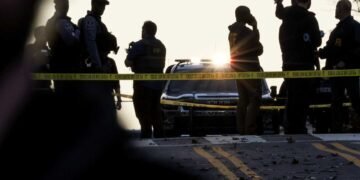
On November 26, members of the U.S. Secret Service and the Washington Metropolitan Police Department did not have to look far from the White House for the site of a devastating shooting. Two members of the West Virginia National Guard, identified as Sarah Beckstrom and Andrew Wolfe, were shot, with Beckstrom tragically succumbing to her injuries shortly after. Wolfe is currently receiving medical attention for serious wounds, underscoring the gravity of the situation.
Lakanwal’s Life in the U.S.
Rahmanullah Lakanwal emigrated to the United States from Afghanistan in 2021 after working with U.S. military forces. Initially, he demonstrated a positive demeanor, engaging socially with others and actively participating in community life. However, volunteers and acquaintances noted a troubling shift in his behavior beginning in 2023. Reports indicated that Lakanwal began to isolate himself progressively, retreating into a darkened room for extended periods and encompassing a marked decline in his overall health and well-being.
Emails from a volunteer highlighted concerns regarding Lakanwal’s mental health, suggesting he could be experiencing post-traumatic stress disorder as a result of his experiences and the stress of adapting to a new life. A sense of cultural disconnection compounded his struggles, with limited support available to Afghan refugees once the initial resettlement phase concluded.
Claims of Radicalization
In light of the shooting, Secretary Noem claimed that investigations point toward possible radicalization during Lakanwal’s time in the U.S. This assertion has raised eyebrows among those who knew him, including a volunteer who insisted that Lakanwal never exhibited extremist views. Instead, they emphasized that his ongoing psychological struggles were more indicative of personal crises rather than ideological shifts.
CIA Director John Ratcliffe confirmed Lakanwal’s prior association with U.S. operations in Afghanistan as a reason for his admission into the country. However, acquaintances reported no signs of hostility toward the U.S. from him amid his descent into erratic behavior.
Patterns of Erratic Behavior
Lakanwal’s behavior escalated to the point of him frequently making long, unannounced road trips across the country, with locations as far-flung as Arizona and Illinois. Family members often found themselves in the dark about his whereabouts during these episodes, raising alarms among volunteers who worked tirelessly to aid not only Lakanwal but others from similar backgrounds.
Community Response
Following this tragic incident, various organizations, including AfghanEvac, have expressed concern over the implications for Afghan refugees in the U.S. Activists emphasize that one individual’s actions should not reflect on the broader community, reminding the public that the majority of Afghan refugees are peaceful individuals seeking a better life.
Context & Previous Events
Before arriving in the U.S., Lakanwal served in an elite counterterrorism unit in Afghanistan, which operated under CIA direction, fighting against the Taliban on behalf of American interests. After his resettlement, little support was available for Lakanwal and other Afghan nationals facing similar challenges; this has led to growing concerns about refugee resources and mental health support. In the wake of this incident, the Trump administration has initiated a review of refugee cases involving Afghan nationals, exacerbating fears within the community.