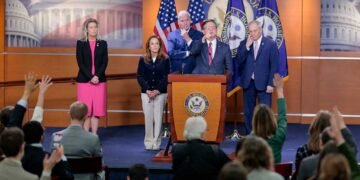























Congressional Gridlock Clouds Future of ACA Subsidies
Speaker of the House Mike Johnson and Republican leaders are grappling with the future of Affordable Care Act (ACA) subsidies as deadlines for open enrollment loom. This ongoing debate has significant implications for millions of Americans who rely on these subsidies for affordable health insurance.
Why It Matters
The uncertainty surrounding ACA subsidies affects both consumers’ health care expenses and the political landscape ahead of the midterm elections. As lawmakers continue to negotiate, potential changes in health care costs could sway voter opinions, making this a critical issue for both parties.
Key Developments
- Speaker Johnson plans to introduce a legislative package aimed at reducing health care costs without extending enhanced ACA subsidies.
- Congressional Democrats are advocating for the continuation of the more generous subsidies that originated during the COVID-19 pandemic.
- Polls indicate that rising health care costs could influence voter behavior in the upcoming elections.
- Enrollment numbers show a decrease in new sign-ups compared to last year, indicating growing consumer anxiety about affordability.
Full Report
Legislative Actions
Currently, lawmakers are negotiating potential health care reforms while facing a ticking clock on the ACA subsidy issue. The enhanced subsidies—created in response to the pandemic—are set to expire at the end of the year, and many Republicans are divided on whether to extend them. Some express concerns about the financial implications and the overall impact on their political image, particularly among voters who are sensitive to rising healthcare costs.
"This gridlock has consumers like me unsure about what to do next," stated Daniela Perez, a Chicago education consultant, highlighting the anxiety many feel as they await decisions from Washington. As new proposals are introduced, neither Republicans in the Senate nor the House have advanced plans that would prolong existing subsidies, leaving many consumers waiting in uncertainty.
Enrollment Trends
Initial reports from the ongoing open enrollment period reveal a troubling trend: there has been a decline in new enrollments compared to the same time last year. According to data from the Centers for Medicare & Medicaid Services, approximately 949,450 new sign-ups were recorded within the first month, lower than last year’s 987,869. However, the number of returning customers has slightly increased, suggesting that individuals who urgently need coverage are acting more quickly.
Affordability remains a critical issue, especially for first-time enrollees. Reports from states like Pennsylvania cite a 16% reduction in new sign-ups, with many current subscribers canceling their plans due to rising costs. California has also observed a significant drop, with new enrollments plummeting by 33% as consumers opt for lower-tier plans that come with higher deductibles.
Consumer Concerns
Stories from individuals affected by rising costs exemplify the problem. Some, like Debra Nweke in Southern California, face potential jumps in monthly premiums from $1,000 to $2,400, leaving them struggling to manage their health care expenditures. As their financial burdens increase, many enrollees express frustration with the current system, fearing they may be forced to choose more affordable options that come with higher out-of-pocket costs.
Context & Previous Events
Previous negotiations around the ACA have often turned contentious, with Republicans historically opposing the act while Democrats have sought to strengthen it. The enhanced subsidies that are now on the chopping block resulted from legislation aimed at mitigating the impacts of the COVID-19 pandemic. As the current congressional session progresses, the divide over health care policy continues to grow, complicating matters further for taxpayers and voters alike.






