






















Indian Cinema’s Shift Back to Masculine Narratives Sparks Debate
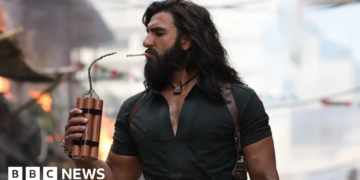
In 2025, the Indian film industry saw a resurgence of violent, male-centric storytelling, largely dominated by action thrillers, leaving behind the more diverse narratives celebrated in the previous year. This trend, exemplified by the massive success of "Dhurandhar," has ignited discussions about gender representation in Bollywood and the implications for future storytelling.
Why It Matters
The overwhelmingly masculine themes in recent films reflect a larger societal trend and demonstrate the potential for both cultural influence and backlash. While the previous year boasted a variety of women-led stories with critical acclaim, 2025 marks a regression, raising questions about the future of women in film and the narratives that resonate with audiences. The industry’s responsiveness to viewer preferences also highlights the economic realities influencing creative choices.
Key Developments
- Box Office Dominance: "Dhurandhar," an espionage thriller set against India-Pakistan tensions, became the year’s defining hit, dominating box office conversations.
- Male-Centric Films: The top ten box-office hits featured primarily hypermasculine themes, with only one notable exception: "Lokah," a Malayalam superhero film led by a female protagonist.
- Romantic Narratives: Films like "Tere Ishk Mein," despite criticism for portraying toxic masculinity, emerged as popular hits, further embedding patriarchal themes in narratives.
- Shift in Streaming Platforms: A report indicated a shift towards male-led action and crime titles on streaming services, with female-led stories declining significantly.
- Cultural Reflection: Experts argue that these macho films reflect persistent patriarchal values in society, complicating the notion of audience demand as the sole driving force behind these themes.
Full Report
Resurgence of Masculine Themes
Over the last year, India’s cinematic landscape shifted dramatically as violent action thrillers once again took center stage. "Dhurandhar," the biggest hit of 2025, encapsulated this trend, attracting attention due to its graphic violence and engaging gangland politics. These themes resonated strongly with both audiences and critics, overshadowing the more progressive narratives that had briefly gained traction in 2024.
In stark contrast to prior years, where women-led films like "All We Imagine As Light" and "Laapataa Ladies" garnered international acclaim, the 2025 film slate revealed a marked return to male-dominated narratives. Critics noted that the success of films like "Chhaava" and "War 2" echoed a long-standing tradition of hypermasculine heroes, reaffirming outdated cinematic tropes.
Emerging Critiques
Films spotlighting male protagonists often romanticized toxic traits. "Tere Ishk Mein," starring Dhanush, generated significant debate for its portrayal of an obsessive male lead overshadowing a high-achieving female character. Similarly, smaller-budget films like "Ek Deewane Ki Deewaniyat" featured troubling romantic dynamics, provoking calls for a reevaluation of representations of love and masculinity in cinema.
Despite criticisms, analysts maintained that audience preferences play a vital role in these films’ successes. Taran Adarsh noted the long-standing popularity of male-led narratives but acknowledged that societal structures underpinning these tales have deep historical roots.
The Streaming Shift
Even platforms once regarded as havens for women-centric stories have seen a notable shift towards male-led content. A study by media research firm Ormax indicated that titles focused on action and crime—largely male-driven—now account for 43% of streaming offerings, drastically falling from 31% for female-led narratives in 2022 to a mere 12% in 2025. Experts argued that this trend reflects a broader cultural regression, raising concerns about the representational challenges independent and women-led films face, particularly when they don’t feature well-known stars.
Context & Previous Events
In 2024, a notable shift occurred as the Indian film industry embraced women-led storytelling. This year witnessed female voices gaining prominence, with critical recognition and a spike in international attention for films directed by women. Critics like Mayank Shekhar characterized this change as a pivotal moment for women filmmakers, moving from marginalized roles to leading figures in the global film landscape. However, this advancement seems to have faltered in the following year, underscoring the precarious nature of progress in the industry.