






















Immigration Policy Overhaul in 2025: Key Changes and Their Impacts
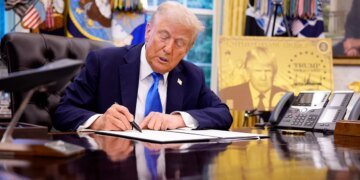
The United States is undergoing significant changes to its immigration policies in 2025, reshaping how individuals travel, secure visas, and pursue citizenship. These measures, influenced by the Trump administration, aim to enhance wage protection for American workers and create new immigration pathways for foreign nationals.
Why It Matters
These changes reflect a broader effort to balance the need for skilled labor in the American economy with the protection of domestic job opportunities. By implementing stricter requirements and new visa programs, the government aims to ensure that immigration processes align more closely with national interests and workforce demands.
Key Developments
-
H-1B Visa Overhaul: A new proposal modifies the selection process for H-1B visas, incentivizing employers to offer higher wages or seek advanced skillsets. This comes with a $100,000 application fee introduced by the Trump administration.
-
Introduction of the ‘Trump Gold Card’: This new visa program allows foreign nationals to gain permanent residency and a pathway to citizenship through a $1 million investment in the U.S.
-
Expanded Facial Recognition: Starting December 26, 2025, non-citizens entering and exiting the U.S. will undergo facial recognition processing, enhancing security measures.
-
Social Media Scrutiny: New rules require travelers applying for the Electronic System for Travel Authorization (ESTA) to disclose their social media activity over the past five years, primarily aimed at bolstering national security.
- Updated U.S. Citizenship Test: The 2025 citizenship test now includes more questions and emphasizes U.S. civics knowledge, aimed at ensuring that new citizens fully embrace American values.
Full Report
H-1B Visa Overhaul
In a major reform, the Department of Homeland Security has proposed changes to the H-1B visa program. This program, essential for tech industry staffing, will now prioritize higher salaries and advanced skill requirements for applicants. The push for this change is rooted in concerns that some employers were exploiting the existing system to hire foreign workers at lower wages, diminishing opportunities for American workers. The proposal was accompanied by a $100,000 application fee, which President Trump implemented to further regulate this visa system.
Trump Gold Card Initiative
In a move to attract foreign investment, President Trump introduced the "Trump Gold Card," offering a streamlined immigration pathway for individuals willing to invest $1 million in the U.S. This initiative promises permanent residency and an expedited citizenship process. Trump anticipates this program could generate substantial economic benefits, estimating it could raise over $100 billion for various national projects.
Enhanced Security Measures
The Department of Homeland Security has also decided to enhance security by implementing facial recognition for all non-citizens at key entry points throughout the country. This measure aims to create a tighter control over who enters and exits with the intention of bolstering national security protocols.
Social Media Review Requirement
Further tightening immigration controls, U.S. Customs and Border Protection plans to mandate the disclosure of social media accounts for foreign travelers applying under the ESTA program. This requirement hopes to mitigate security threats by vetting individuals based on their recent online behavior.
Revamped Citizenship Test
The U.S. citizenship test is undergoing a transformation, demanding prospective citizens to answer a total of 20 questions rather than the previous 10. Applicants must now correctly respond to at least 12 questions to pass. This test emphasizes knowledge of government structure, aiming to ensure that new citizens have a robust understanding of American democratic principles.
Context & Previous Events
Prior to these developments, the immigration system in the U.S. faced scrutiny for being outdated and susceptible to abuse. The push for stricter regulations and new programs began in the earlier years of the Trump administration and has continued to evolve in alignment with economic and national security interests. In 2025, these policies mark a deliberate shift toward a more controlled and economically linked immigration framework.






