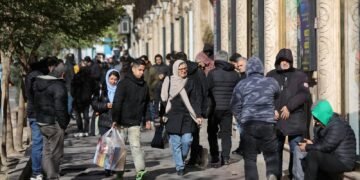























Deadly Protests Erupt in Iran Amid Economic Discontent
Protests across Iran have escalated significantly, leading to violence and multiple fatalities as citizens vent their frustrations over a dire economy. Reports indicate that clashes between security forces and protesters, particularly in the city of Lordegan, have resulted in at least several deaths and numerous injuries, intensifying the already high tensions in the nation.
Why It Matters
The recent surge in protests comes amidst widespread discontent over soaring inflation, a depreciating currency, and ongoing Western sanctions. As various groups join the demonstrations, the Iranian government faces increasing pressure to address the economic crisis while managing a volatile public sentiment. This situation poses a serious challenge to the regime’s stability and authority.
Key Developments
- Protests began on Sunday among shopkeepers in Tehran and have spread nationally, involving university students and other groups.
- Reports from the rights organization Hengaw indicate that security forces used live ammunition against protesters in Lordegan, leading to multiple casualties.
- Confirmed fatalities include one death in Kuhdasht and another in Isfahan, with a Revolutionary Guards member also reported killed.
- Clashes and arrests have been reported in several western provinces, including Kermanshah, Khuzestan, and Hamedan.
- The Iranian government has offered to establish a "dialogue mechanism" with representatives of trades unions and vendors.
Full Report
Escalation of Violence
The recent protests represent the largest unrest Iran has seen in three years, reflecting widespread dissatisfaction with the government’s handling of economic issues. As protests intensified, security forces were reported to have fired on demonstrators in Lordegan, killing and injuring several individuals. Additionally, Iranian officials have confirmed at least one death in Kuhdasht, and another fatality has been reported from Isfahan.
Government Response
In an unusual move, the Iranian government has signaled a willingness to engage in dialogue with protesters. Government spokesperson Fatemeh Mohajerani announced plans to meet directly with trade representatives. However, details of this proposed dialogue remain limited, and the presence of heavy security forces in city centers has raised concerns about potential escalations.
Frustration and Resentment
The protests have erupted against a backdrop of extremely high inflation—reported at 40%—and significant declines in currency value. These economic pressures have driven various demographic groups, including university students and traders, to manifest their grievances, culminating in violent confrontations with security forces and attempts to breach government buildings.
Context & Previous Events
Prior to this week’s unrest, Iran experienced a fleeting wave of national solidarity following airstrikes earlier in the summer. However, the ongoing economic challenges have reignited public anger. This week’s demonstrations mark a notable shift as frustrations surrounding economic conditions reach a boiling point, placing the Iranian authorities in a precarious position with few effective solutions available.