






















Tensions Rise Across Africa Amidst Election Disputes and Protests
The recent unrest in Tanzania following its elections underscores escalating political tensions across Africa, where electoral integrity remains under scrutiny. The events highlight a broader crisis of governance faced by numerous nations on the continent, stirring fears for the future of democratic practices.
Why It Matters
The political landscape in Africa is shifting, with increasing incidences of violence tied to elections and growing authoritarian rule. As the continent’s demographic makeup skews younger, there is a mounting demand for accountability and better government responsiveness to the needs of citizens. The disturbances seen in Tanzania and other countries can reflect a significant turning point for democracy in Africa.
Key Developments
- Tanzania’s election saw President Samia Suluhu Hassan win with 98% of the vote amid allegations of a rigged process.
- Protests against election results led to lethal police responses, marking a severe setback for political stability in the region.
- Other countries, including Madagascar and Uganda, are facing their own crises, with leadership changes following protests and unresolved election disputes.
- Military governments are consolidating power in the Sahel region, raising concerns about the existential threat to democratic governance across Africa.
- Rising global geopolitical distractions provide an opportunity for African governments to pursue authoritarian practices with less international oversight.
Full Report
Tanzania’s Election Fallout
The recent presidential election in Tanzania ended controversially, with President Samia Suluhu Hassan securing nearly all votes amidst allegations of electoral fraud. This situation has led to widespread public outrage and protests that resulted in tragic casualties, as demonstrators were confronted by police. The violence has tarnished Tanzania’s long-held image as a beacon of peace and stability in East Africa.
Wider African Governance Crisis
Mo Ibrahim, founder of the Mo Ibrahim Foundation, expressed concern over the faltering governance across Africa, citing a troubling trend of increased coups and military rule. The organization’s latest governance report indicates stagnation in various key sectors, including security, political participation, and public services like health and education. The cost of living crisis has acted as a catalyst for discontent, prompting protests and dissatisfaction with governing authorities in multiple nations.
Recent Political Shifts
Despite alarming trends, some nations have experienced democratic gains. In Malawi, former President Peter Mutharika reclaimed his position following a competitive election. In Seychelles, the United Seychelles party regained power, illustrating shifts in public sentiment towards ruling governments, often tied to economic frustrations. On the other hand, countries like Cameroon witnessed the entrenchment of long-term leaders, causing public demonstrations reflecting a youth-driven challenge to the status quo.
Active Responses to Discontent
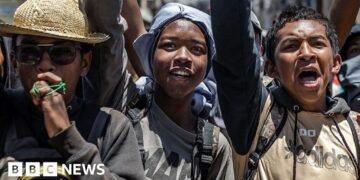
In Madagascar, youth-led protests demanding better governance forced President Andry Rajoelina to dismiss his cabinet, a move that ultimately failed to preserve his authority, resulting in a military coup. Analysts observe that while military takeovers signal democratic setbacks, they also underscore the need for civilian leaders to heed the voices of young citizens demanding accountability and service delivery. Activists indicate that protests are becoming an increasingly common avenue for expressing public dissatisfaction.
Context & Previous Events
Earlier in 2025, tensions rose in nations such as Senegal and South Africa, where ruling parties faced serious electoral challenges due to perceived failures to address economic issues. The consolidation of military power in countries like Mali, Niger, and Burkina Faso illustrates the growing split between the populace and their governments in West Africa. Meanwhile, Uganda prepares for elections, with a historical backdrop of electoral irregularities and public discontent against long-standing leadership.






