






















Tensions Escalate as China Conducts Military Drills Surrounding Taiwan
President Donald Trump expressed a lack of concern regarding China’s recent military exercises near Taiwan, a move that has raised alarms about regional security and heightened tensions between the U.S. and Beijing.
Why It Matters
The ongoing military drills by China are seen as a direct response to U.S. arms sales to Taiwan. With Taiwan asserting its defense against increasing military pressure from China, the situation poses significant risks for U.S.-China relations and regional stability in East Asia.
Key Developments
- President Trump stated he is not worried about the Chinese maneuvers, mentioning his good relationship with President Xi Jinping.
- The current drills simulate a blockade and occupation of key areas in Taiwan, following a significant U.S. arms package announcement worth $11 billion.
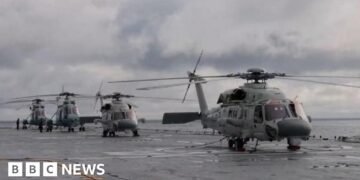
- China’s military engaged in live-firing exercises in air and sea space around Taiwan, with reports of 130 Chinese aircraft and numerous naval vessels in proximity to the island.
- Taiwan’s President criticized the drills as a challenge to international norms while asserting Taiwan’s commitment to maintain security.
- Experts suggest the drills are aimed more at conveying a message to the U.S. and Japan than to Taiwan itself.
Full Report
Presidential Remarks
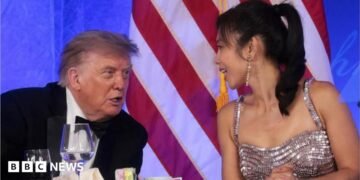
In a press conference, Trump highlighted his rapport with Xi Jinping, stating, "I certainly have seen it" in reference to the drills. He minimized the significance of the exercises, noting that similar naval activities have occurred for many years in the region.
Military Exercises
The two-day drills commenced shortly after the U.S. unveiled one of its largest arms sales to Taiwan, which included advanced weaponry. China characterized the exercises as a warning against "Taiwan independence separatist forces" and external intervention. The drills involve 10-hour live-firing practices over multiple locations surrounding Taiwan, utilizing various military assets to enhance their operational capabilities.
Taiwanese Response
Taiwan’s defense ministry reported spotting a significant number of Chinese military aircraft, many of which crossed an unofficial median line that China does not recognize. In response, Taiwan’s military mobilized aircraft, ships, and missile systems while asserting their commitment to national safety.
Analytical Perspectives
Former U.S. Deputy Assistant Secretary of State Susan Shirk noted that the drills primarily serve as an expression of China’s discontent with U.S. arms sales. She raised concerns that Trump may be less committed to Taiwan’s defense compared to past administrations, framing this as part of a transactional foreign policy approach.
Pacific Forum analyst Alexander Neill emphasized that China’s military modernization justifies the increase in such drills, while cautioning against any belief that personal relations between Trump and Xi will influence China’s strategies in the Taiwan Strait.
Context & Previous Events
In recent years, China has intensified its military presence near Taiwan, executing regular drills and incursions into Taiwanese airspace and waters. The U.S. has long maintained a formal diplomatic relationship with Beijing, traditionally balancing its support for Taiwan without official recognition of the island’s independence. The recent arms deal signifies a crucial development in the ongoing tension between the three regions involved.