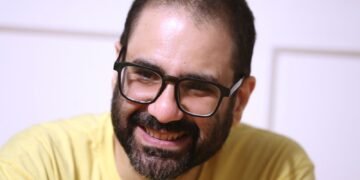























UK Activist’s Controversial Tweets Prompt Urgent Foreign Office Review
The UK government has initiated an urgent review of "serious information failures" related to British-Egyptian activist Alaa Abd El-Fattah, following the emergence of inflammatory social media posts after his recent return to the UK. The Foreign Secretary, Yvette Cooper, emphasized the significance of these developments amid rising concerns over antisemitism.
Why It Matters
This situation underscores the challenges governments face in handling high-profile cases involving civil rights and the complexities surrounding public statements made by individuals previously accused of controversial actions. The handling of Abd El-Fattah’s release and the impact of his past communications could influence public sentiment and policy regarding citizenship and freedom of expression in the UK.
Key Developments
- Yvette Cooper has ordered a review of the Foreign Office’s procedures regarding significant information related to Alaa Abd El-Fattah’s case.
- Social media posts from Abd El-Fattah, dating back to 2010, have been criticized for calling for violence, raising alarm among Jewish communities.
- Abd El-Fattah has issued a public apology for his prior statements, asserting they were twisted and taken out of context.
- Calls from some political factions for stripping Abd El-Fattah of his British citizenship have surfaced, though there are no current plans to act on these suggestions.
Full Report
The Foreign Secretary’s intervention comes as the fallout from Abd El-Fattah’s social media posts complicates his return. Yvette Cooper highlighted that successive UK prime ministers were not briefed on the existence of these historical tweets, which have drawn scrutiny due to their explosive content.
In her correspondence with Dame Emily Thornberry, chair of the Foreign Affairs Committee, Cooper expressed her alarm at the implications of these tweets in the broader context of rising antisemitism and violent incidents against the Jewish community. She stated that the emergence of these posts detracted from the positive narrative surrounding the conclusion of Abd El-Fattah’s lengthy imprisonment and reunion with his family.
No. 10 Downing Street defended the government’s efforts regarding Abd El-Fattah’s case, with an official spokesperson affirming Britain’s commitment to advocating for citizens unjustly detained abroad. However, they condemned the nature of his earlier communications.
In a candid statement, Abd El-Fattah described his past tweets as expressions of frustration and anger stemming from the turmoil in the Middle East during his youth. He acknowledged that his posts were poorly communicated and expressed regret for how they could be interpreted by different audiences.
Context & Previous Events
Alaa Abd El-Fattah was an integral figure during Egypt’s 2011 Arab Spring uprisings but faced imprisonment, most recently since September 2019, before being pardoned earlier this year by President Abdel Fattah el-Sisi. His return to the UK followed a citizenship grant under former Prime Minister Boris Johnson, which enabled him to reunite with his son in Brighton.
The timing of the controversy surrounding his social media history coincided with heightened discussions on antisemitism in the UK, reflecting broader societal tensions and the complexities of free speech in sensitive political landscapes.






