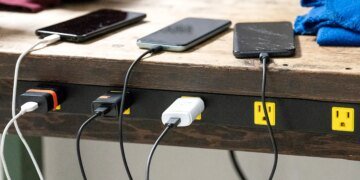























Cellphones Emerging as Key Evidence in Criminal Cases
Recent developments highlight how everyday cellphones are increasingly becoming pivotal in criminal investigations, shedding light on their role as repositories of personal data that can incriminate or exonerate individuals.
This trend represents a significant shift in how evidence is collected and utilized in court cases. The data from cellphones provides insights that were not available just a decade ago, thus transforming legal strategies for both prosecutors and defense attorneys.
Key Developments
-
Forensic Insights: Forensic scientist Joseph Scott Morgan noted that cellphones have become akin to "crime scenes" due to the extensive data they collect daily.
-
University of Idaho Murders: Suspect Bryan Kohberger was linked to the crime through cellphone tower data indicating his presence near the victims’ residence multiple times before the murders occurred.
-
Walshe Case: Evidence from Brian Walshe’s cellphone revealed incriminating Google searches related to body disposal and DNA cleanup, which played a critical role in his conviction for murdering his wife.
- Karen Read Acquittal: The trial of Karen Read showcased how cellphone data can be manipulated; witness statements about online searches added complexity to the case but ultimately did not incriminate her.
Full Report
Footprints in Data
Joseph Scott Morgan, a forensic scientist at Jacksonville State University, emphasized the implicit danger of the data contained within personal devices. Morgan explained that most people remain unaware of the extent and implications of the information their phones gather, often leading them to unknowingly compromise their own defenses in legal situations. He remarked, "We’re so married to it that people cannot see themselves absent this thing."
The Kohberger Case
Bryan Kohberger’s involvement in the November 2022 murders of four University of Idaho students was heavily supported by cellphone records. According to FBI data, Kohberger’s phone was pinpointed at locations close to the crime scene multiple times, particularly following social engagements. These records revealed that he was present near the students’ residence on 23 occasions, a finding critical to establishing his pattern of behavior leading up to the murders.
Brian Walshe’s Incriminating Searches
In a recent ruling, Brian Walshe was sentenced to life in prison for the death of his wife, Ana. During his trial, digital forensics expert Nicholas Guarino presented evidence of several troubling internet searches conducted by Walshe. These included queries about body disposal techniques and the longevity of DNA evidence. The prosecution argued these searches showcased premeditation and motive, especially given Walshe’s financial motives linked to a substantial life insurance policy on his wife.
Karen Read’s Defense
In a separate case, Karen Read was acquitted of second-degree murder concerning the death of her boyfriend. The court proceedings revealed conversations about cellphone searches regarding hypothermia; however, witness accounts suggested there was no direct instruction from Read, complicating the evidence landscape. The manipulation of online search data underscored the nuanced challenges juries face when interpreting cellphone evidence.
Context & Previous Events
Previous high-profile cases have illuminated the increasing reliance on mobile data in criminal investigations. From tracking suspects’ locations through GPS functionality to analyzing online search patterns for behavioral insights, the digitization of everyday life has fundamentally altered the prosecution and defense landscape. As forensic science continues to evolve, cellphones are becoming indispensable tools in modern law enforcement and legal proceedings.






