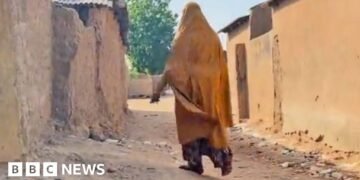























U.S. Strikes Target Nigerian Militants as Local Fears Persist
Deeply ingrained anxiety continues to loom over the residents of north-western Nigeria following U.S. air strikes aimed at a jihadist faction on Christmas Day. The strikes were directed at militants in Sokoto state who have become a significant source of terror in local communities, raising concerns about their future actions and the pervasive instability in the region.
Why It Matters
The situation in north-western Nigeria reflects a complex interplay of local insurgencies and foreign interventions. With the area largely devoid of government presence, the emergence and expansion of militant groups such as Lakurawa have left communities vulnerable to violence and intimidation. The U.S. strikes may provide temporary relief but underline ongoing security challenges that must be addressed for lasting peace.
Key Developments
- U.S. air strikes targeted the Lakurawa militant group on Christmas Day, a faction linked to broader Islamist movements in the Sahel region.
- Local residents describe lingering fears and intimidation from the militants, who operate with impunity in the area.
- Reports indicate that the militants retreat to isolated camps at night, strengthening their control over local communities.
- U.S. military actions against Lakurawa follow previous attacks by Nigeria’s military on the group, highlighting a coordinated effort to diminish their influence.
Full Report
Strikes on the Militants
U.S. military action was taken against the Lakurawa group, known for its affiliation with radical Islamic factions in the Sahel. The strikes targeted camps believed to harbor militants who had increasingly threatened local populations. In nearby villages, reports of devastation emerged, including reports of significant structural damage due to the missile strikes. Residents expressed confusion and fear during the incident, noting roofs shaking and flames erupting as missiles struck their vicinity.
Local Impact
Residents of Nukuru and surrounding areas, primarily inhabited by moderate Muslims, remain apprehensive about retaliation from the militants. Many villagers reported that armed groups arrive in their communities on motorcycles, imposing taxes and heavy-handed controls on daily life. According to a local farmer, the militants have become the de facto authority in the region, dictating terms under threat of violence. Many residents expressed a sense of entrapment, as failure to comply with the militants’ demands could lead to assaults or loss of livestock.
Villagers noted that the militants enforced a strict interpretation of Islamic law, curtailing personal freedoms and imposing harsh punishments on those who defied their rules.
Ongoing Security Risks
Security in the region remains tenuous, with local law enforcement unable to effectively combat the militant threat, citing a lack of resources. In their absence, militants have filled the power vacuum, gaining footholds in communities that lack essential services and infrastructure.
Local farmers described the daily reality of living under constant threat, sharing accounts of how the militants routinely patrol the area and exert control over their lives.
Context & Previous Events
The situation for residents in north-western Nigeria has deteriorated over the past 15 years amid an ongoing Islamist insurgency. Previously, the focus was primarily on groups like Boko Haram in the northeast, but a shift towards localized violence, exacerbated by criminal gangs and banditry, has created a complex security environment.
Last Christmas, Nigeria’s military conducted its own operations against Lakurawa, resulting in civilian casualties and raising concerns about the impact of military interventions on local populations. The Nigerian government officially designated the group as a terrorist organization shortly thereafter, granting it the authority to take more decisive actions against the militants.
As the U.S. and Nigerian forces continue their campaign against Lakurawa, the future of its communities remains uncertain, with locals hoping for a swift end to the militant threat that has dominated their lives.