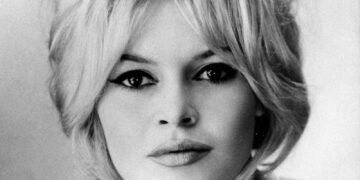























Brigitte Bardot, Iconic Film Star and Animal Rights Activist, Passes Away at 91
Brigitte Bardot, celebrated French actress and cultural icon, has passed away at the age of 91. Known for her significant contributions to cinema and her vibrant embodiment of female sexuality, Bardot’s legacy extends far beyond her film career, making her a pivotal figure in the social landscape of the 20th century.
Why It Matters
Bardot’s influence reshaped the representation of women’s sexuality in film, bringing an empowered perspective that challenged societal norms of her time. By retiring from acting early to devote herself to animal rights, she also highlighted the growing importance of activism in the lives of public figures, marking a cultural shift where celebrity status intertwines with social responsibility.
Key Developments
- Brigitte Bardot died at 91, leaving behind a legacy as a film star and animal rights activist.
- French President Emmanuel Macron praised her as a symbol of freedom and national identity.
- Bardot rose to fame with the controversial film “… And God Created Woman” in 1956.
- She retired from acting at 39 to focus on animal welfare, founding the Brigitte Bardot Foundation in 1986.
- Despite a successful career, she faced controversy in her later years, particularly regarding remarks that led to legal penalties for incitement of racial hatred.
Full Report
Cinematic Breakthrough
Bardot was born in Paris in 1934 and began her career as a model in the early 1950s. Her ascent to fame was propelled by the film “… And God Created Woman,” which her then-husband Roger Vadim directed. The film was groundbreaking, pushing boundaries of sexual representation and inexplicably linking her image with youthful rebellion and unabashed femininity.
Legacy of Activism
After a successful career spanning over 40 films, Bardot opted for an early retirement from acting. “I gave my youth and my beauty to men,” she noted, expressing her desire to dedicate her later years to animal welfare. In 1986, she established the Brigitte Bardot Foundation, which works to combat animal cruelty and supports various rescue operations.
Controversies in Later Life
As Bardot shifted her focus from film to philanthropy, she became a polarizing figure due to statements made in the context of her activism. Her 2003 book “A Cry in Silence” drew legal action for inciting racial hatred against Muslims. Over the years, she faced several fines for alleged racism, which complicated her legacy as a cultural icon.
Despite the controversies, Bardot maintained a devoted following, celebrated for her lasting impact on cinema and her advocacy for animal rights. President Macron’s tribute highlights the dual impact she had on both French culture and international consciousness.
Context & Previous Events
Bardot’s career skyrocketed during a time when the portrayal of women in cinema was evolving. The initial shock of her breakout role in “… And God Created Woman” exemplified a significant departure from conservative depictions of female characters in post-war cinema. Following her retirement, the establishment of her foundation in 1986 marked a distinct turn from glamour to activism, serving as a reflection of her evolving priorities in the public eye.