






















Israel Recognizes Somaliland, Sparking Controversy Over Sovereignty
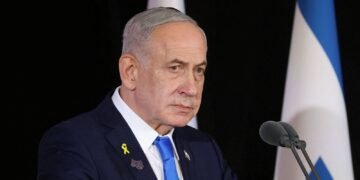
Israel has made headlines as the first country to officially recognize Somaliland, a breakaway region of Somalia, as an independent nation. This unprecedented move was announced by Prime Minister Benjamin Netanyahu, who expressed plans to foster cooperation with Somaliland in various sectors such as agriculture, health, technology, and the economy.
Why It Matters
This recognition comes amid a backdrop of longstanding tensions between Somalia and Somaliland, with implications that could affect diplomatic relations in the Horn of Africa. Israel’s action has drawn sharp criticism from Somalia, which sees it as a violation of its sovereignty and raises questions about regional stability and international diplomacy.
Key Developments
- Israel officially recognized Somaliland as an independent nation.
- Prime Minister Netanyahu cited the move as aligned with the spirit of the Abraham Accords, which aimed to establish diplomatic relations between Israel and several Arab nations.
- The Somali government condemned the recognition as an "unlawful step" and a "deliberate attack" on its sovereignty.
- Somali President Hassan Sheikh Mohamud denounced the recognition, labeling it "legal aggression" and contrary to diplomatic norms.
- The European Union emphasized the need for Somalia’s unity and called for constructive dialogue between Mogadishu and Somaliland.
- The U.S. State Department reiterated its acknowledgment of Somalia’s territorial integrity, which includes Somaliland.
- Over 20 countries, mainly from the Middle East and Africa, criticized Israel’s recognition, warning of its potential impact on regional peace and security.
Full Report
Israel’s Recognition and Response
On Friday, Netanyahu announced Israel’s decision to recognize Somaliland, framing it within the context of the Abraham Accords initiated under former President Trump. His government aims to establish immediate cooperation, asserting that the move aligns with evolving diplomatic trends in the region.
Somalia’s Reaction
In stark contrast, officials in Somalia issued a strong rebuke to Israel’s recognition. The prime minister’s office decried the move as illegal, while President Mohamud condemned it as "aggression" that undermines established international diplomatic protocols. Somalia maintains that it does not acknowledge Somaliland’s claim to independence, which was proclaimed during the country’s civil war in 1991.
International Concerns
The European Union has urged respect for Somalia’s territorial integrity, advocating for meaningful dialogue to address the longstanding differences between Mogadishu and Somaliland. Furthermore, the U.S. State Department reiterated its commitment to Somalia’s sovereignty and territorial claims, emphasizing its non-recognition of Somaliland’s independence.
A coalition of over 20 countries, including members of the Organization of Islamic Cooperation, has publicly condemned Israel’s recognition, arguing that it poses significant risks for peace and security in the region and beyond.
Context & Previous Events
Somaliland declared independence from Somalia in 1991 amidst civil conflict, claiming effective autonomy and relative stability since then. However, the international community largely regards it as part of Somalia, with the U.S. and other nations emphasizing the importance of Somalia’s territorial integrity.
Earlier this year, both Somalia and Somaliland rejected proposals from Israel and the U.S. regarding the resettlement of Palestinians from Gaza, asserting their categorical denial of such suggestions. The situation continues to evolve, drawing attention to the complexities of regional dynamics and international diplomacy.






