






















Campaign to Preserve Hidden Architectural Gems Gains Momentum
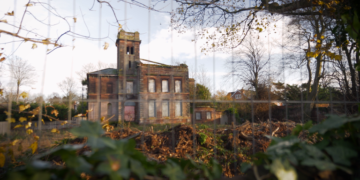
A movement led by renowned comedian Griff Rhys Jones is urging the public to take action in preserving lesser-known, at-risk buildings across the U.K. As the president of the Victorian Society, Rhys Jones is advocating for community involvement in nominating these threatened architectural sites for a new "Top Ten Endangered" list.
Why It Matters
The significance of preserving historic buildings extends beyond mere aesthetics; it embodies the cultural and historical fabric of communities. With urban growth often leading to demolition, preserving these structures becomes crucial not only for heritage but also for sustainable development.
Key Developments
- Griff Rhys Jones has been a longstanding advocate for architectural preservation, notably saving landmarks such as the Hackney Empire and Liverpool Street station.
- The Victorian Society is calling for public nominations to identify endangered buildings, emphasizing their historical importance.
- Buildings included in last year’s endangered list, like The Kursaal in Southend-on-Sea, have seen progress towards preservation.
- A former doctor’s office in Anglesey, initially derelict, has been successfully transformed into social housing.
- Rhys Jones highlighted that successful urban growth often incorporates a blend of new and historic structures.
- Elizabeth Smith, a partner at Purcell Architecture, acknowledged the complexities and costs involved in renovating historic sites but reaffirmed their value when done correctly.
- The deadline for nominations to the Victorian Society is set for January 5.
Full Report
A Call to Action
Griff Rhys Jones, renowned for his comedic roles in "Not The Nine O’Clock News" and "Alas Smith and Jones," has dedicated decades to advocating for the preservation of Britain’s historic buildings. As he leads the Victorian Society’s new initiative, he appeals for public involvement, stating that these buildings tell the story of their communities.
"These structures are vital; they represent the history of the areas they occupy," Rhys Jones expressed. The Victorian Society aims to compile a list of ten threatened buildings, encouraging individuals to submit nominations that reflect local heritage.
Progress in Preservation
The impact of last year’s endangered list has been tangible, with buildings moving closer to preservation. Established landmarks, such as The Kursaal, are seeing renewed interest due to public awareness campaigns. Rhys Jones noted, "People often need a reminder of these structures’ significance, and raising awareness is crucial to their survival."
Additionally, the transformation of a former doctor’s surgery in Anglesey into social housing illustrates the potential benefits of preserving historical sites. Rhys Jones emphasized, "Amid discussions about housing shortages, it’s vital to recognize that growth doesn’t mean starting from scratch. Retaining and repurposing existing buildings is more sustainable and valuable."
The Cost of Preservation
While the push for these initiatives is strong, the financial challenges of renovating historic buildings remain significant. Elizabeth Smith from Purcell Architecture outlined that although working with older structures can be expensive and technically challenging, the outcomes often yield extraordinary examples of successful preservation.
“Renovating historic buildings can be costly, but when done right, we see extraordinary results,” Smith remarked.
Climate Change Considerations
Spurred by the need to address climate change, the conservation movement now faces a new urgency. Historic buildings not only represent resources but can also foster a sense of community and connection. Rhys Jones expressed surprise at the quality and character of the buildings nominated for preservation.
Context & Previous Events
The Victorian Society’s conservation efforts echo a long-standing movement rooted in post-war Britain, arising from the substantial loss of historic structures during that era. The current campaign reflects a growing appreciation for the role of these buildings in both community identity and sustainable urban development.