






















The White House has directed the U.S. military to enforce a two-month “quarantine” of Venezuelan oil, signaling a shift towards economic strategies rather than military ones to exert pressure on President Nicolas Maduro. This decision reflects the Trump administration’s priority to utilize sanctions as its primary tool in addressing the ongoing crisis in Venezuela.
This initiative underscores the significance of Venezuela’s oil resources, which the U.S. believes are pivotal to the Maduro regime’s survival. As economic conditions in Venezuela deteriorate, the U.S. aims to create a scenario that compels the Venezuelan government to make concessions.
Key Developments
- The U.S. military will focus on enforcing an oil quarantine lasting two months.
- Military options remain available, but economic pressure through sanctions is prioritized.
- Venezuelan economic hardship is anticipated to escalate by late January if no concessions are made.
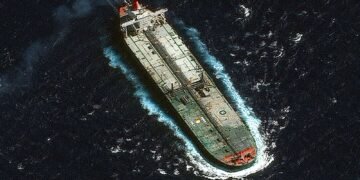
- Two oil tankers loaded with Venezuelan crude have been intercepted by the U.S. Coast Guard.
- U.S. military presence in the Caribbean includes over 15,000 troops and significant naval assets.
Full Report
Economic Focus Amid Military Options
A U.S. official indicated that while military interventions are still an option, the current objective is to apply economic pressure through enhanced enforcement of sanctions against Venezuelan oil exports. This approach aims to weaken the Maduro administration without escalating into military conflict. The language used by officials has notably softened, with the term “quarantine” replacing Trump’s previous reference to a “blockade.”
Military Presence and Operations
In recent months, the U.S. has heightened its military presence in the Caribbean, amassing troops and naval vessels, including an aircraft carrier and F-35 aircraft. President Trump has characterized this buildup as a measure to combat “narco-terrorists” amid accusations against Maduro’s regime for drug trafficking. Trump has persistently pressured Maduro to leave office, labeling him the head of the Cartel de los Soles.
UN Response and Allegations of Aggression
The U.S. actions have prompted Venezuela to take their concerns to the United Nations. At an emergency Security Council meeting, Venezuelan officials accused the U.S. of violating international laws and claimed that the U.S. is attempting to undermine the sovereignty of Venezuela through its naval operations. The Venezuelan ambassador questioned the legality of the U.S. seizing Venezuelan oil, arguing it constitutes an act of aggression.
Context & Previous Events
Previously, President Trump ordered a blockade of Venezuelan oil tankers, marking a significant escalation in the U.S. response to the political turmoil in Venezuela. Officials expect Venezuela to face severe economic challenges by January unless it complies with certain U.S. demands, placing further pressure on the Maduro administration.