






















U.S. Bars Five Europeans Amid Concerns Over Censorship of American Speech
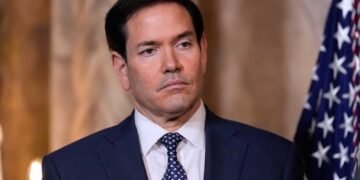
In a significant step, the U.S. State Department has announced it will restrict entry for five European nationals accused of pressuring American tech companies to censor viewpoints contrary to their own. Secretary of State Marco Rubio labeled these individuals as "radical" activists engaged in aggressive campaigns against American expression, marking a pivotal move in the Trump administration’s stance on foreign influence over domestic online discourse.
Why It Matters
This action highlights growing tensions surrounding free speech and foreign influence in the digital sphere. As tech firms grapple with varying international standards of acceptable content, the U.S. government aims to protect American viewpoints from what it deems extraterritorial censorship. The decision may set a precedent for how the U.S. engages with foreign parties influencing online discourse.
Key Developments
- The five Europeans barred from the U.S. include leaders from organizations aimed at combating digital hate and a former EU commissioner.
- Marco Rubio accused these individuals of pushing for censorship in alignment with foreign governments.
- Sarah Rogers, under secretary for public diplomacy, identified the individuals through social media platforms.
- The listed individuals include:
- Imran Ahmed (Centre for Countering Digital Hate)
- Josephine Ballon and Anna-Lena von Hodenberg (HateAid)
- Clare Melford (Global Disinformation Index)
- Thierry Breton (former EU Commissioner for digital affairs)
- The measure is part of a broader U.S. initiative against foreign interference in online speech, utilizing visa policy rather than direct regulation of tech platforms.
Full Report
The Individuals Involved
Sarah Rogers outlined the specific Europeans affected by the new visa restrictions. Imran Ahmed, the CEO of the Centre for Countering Digital Hate, and Josephine Ballon and Anna-Lena von Hodenberg from HateAid, are significant figures in combating online hate. Clare Melford oversees the Global Disinformation Index, and Thierry Breton has previously been tied to discussions with tech executives, including Elon Musk, about content regulation.
Rogers labeled Breton the "mastermind" behind the EU’s Digital Services Act, a legislation intended to safeguard internet users by flagging harmful content. Despite the objections from U.S. officials, Breton defended the DSA’s legitimacy, asserting that it had no extraterritorial implications, emphasizing the broad support of EU member states for the legislation.
Statements and Reactions
Rubio’s statement underscored a shift in the U.S. attitude towards European activists who are perceived as hindering free speech. He proclaimed, "The Trump Administration will no longer tolerate these egregious acts of extraterritorial censorship."
Reaction from French officials has been swift. French Foreign Minister Jean-Noël Barrot condemned the visa restrictions, reiterating that the DSA is designed to ensure legality aligns across digital and physical platforms, with no impact on U.S. jurisdiction.
Context & Previous Events
The visa policy announced in May represents a new approach by the Trump administration concerning perceived threats to free speech. In conjunction with these new restrictions, other policies targeting foreign visitors from specific regions have also been implemented, including potential financial bond requirements for applicants from certain countries. This aligns with a series of actions aimed at limiting foreign influence in U.S. online forums and ensuring that American viewpoints remain accessible and uncensored.