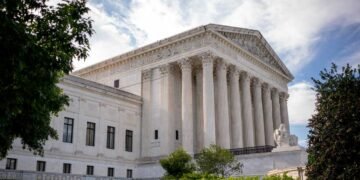























The Supreme Court Blocks Trump Administration’s National Guard Deployment in Illinois
The U.S. Supreme Court ruled against President Trump’s efforts to send National Guard troops into Illinois, a contentious move that elicited strong objections from state officials. This decision comes amid ongoing legal battles over the president’s authority to deploy military resources in response to protests against federal immigration policies.
Why It Matters
This ruling highlights the limitations on presidential power when it comes to deploying military forces domestically, particularly in instances where state officials oppose such actions. The outcome may have implications for future deployments nationwide, as it underscores the legal and constitutional boundaries regarding the use of the National Guard.
Key Developments
- The Supreme Court’s decision represents a significant legal setback for Trump, as it reinforces the constraints imposed by the Posse Comitatus Act.
- The court’s ruling concluded that the government did not adequately demonstrate a legal foundation for the military’s involvement in Illinois.
- Illinois Attorney General Kwame Raoul lauded the ruling, emphasizing that the state’s streets remain free of armed National Guard members.
- The ruling came after the Trump administration had argued that the deployment was necessary due to ongoing violence against Immigration and Customs Enforcement agents.
Full Report
Supreme Court Ruling
In a recent decision, the Supreme Court denied President Trump’s request to reinstate his authority to deploy National Guard troops in Illinois, quelling the administration’s aspirations for military intervention amidst alleged violence linked to immigration enforcement. The court highlighted that the administration failed to establish a legitimate legal basis to override state objections, particularly under the Posse Comitatus Act, which restricts military involvement in law enforcement on domestic soil.
Reactions and Implications
Illinois Attorney General Kwame Raoul expressed his satisfaction with the ruling, emphasizing that the limited circumstances for federal military intervention did not exist in Illinois. Raoul asserted that the ruling protects the state from unwanted military presence as legal proceedings continue. On the other hand, White House spokesperson Abigail Jackson reaffirmed the administration’s commitment to enhancing the safety of federal law enforcement officers, asserting that the ruling does not detract from the administration’s goals.
Judicial Opinions
While the majority opinion underscored the lack of authority for military law enforcement, dissent came from Justices Samuel Alito and Clarence Thomas, who argued that the court overstepped its jurisdiction by delving into the broader implications of the president’s military powers.
Context & Previous Events
This ruling follows two lower court decisions which previously sided against the Trump administration’s claims that protests constituted a “rebellion.” Additionally, various legal challenges have stalled similar deployments. Just last year, federal judges in locations such as Oregon and California blocked deployments due to accusations of overreach by the federal government. The administration’s claim that ongoing violence against federal immigration agents justified military intervention has faced growing scrutiny amid rising tensions and protests in several U.S. cities.






