






















Fatal Plane Crash Claims Lives of Libyan Military Leaders
The military chief of Libya, General Muhammad Ali Ahmad al Haddad, and four other high-ranking officials have died in a plane crash in Turkey. The incident highlights a significant setback for Libya’s ongoing military unification efforts amid the country’s continued political turmoil.
Why It Matters
The loss of General Haddad, a key figure in the Libyan army, is a critical blow to the internationally recognized government in Tripoli, which is led by Prime Minister Abdul-Hamid Dbeibeh. This tragedy not only affects Libya’s military hierarchy but also raises concerns about the stability of the country’s efforts to resolve its divisions, which have persisted since the fall of Muammar Gaddafi over a decade ago.
Key Developments
- General Haddad’s private jet crashed near Ankara shortly after taking off from Esenboga airport.
- Alongside Haddad, four others perished: Mohammed al Asawi Diab (an adviser), General Al-Fitouri Ghraibil (Libya’s ground forces Chief of Staff), General Mahmoud al Qatawi (Director of the Military Industrialization Organisation), and military photographer Mohammed Omar Ahmed Mahjoub.
- The Libyan Prime Minister labeled the incident a "great loss to the homeland" in a statement shared on X.
Full Report
Incident Details
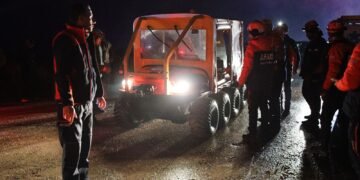
The Turkish government reported that the Falcon 50-type jet issued an emergency landing signal shortly after its departure and subsequently lost communication. The wreckage was later located near Haymana, south of Ankara.
Statements from Officials
Prime Minister Dbeibeh expressed profound sorrow over the incident, stating that the loss poses a severe affliction for the military institution, the nation, and the families of those affected. He emphasized the dedication and service of the deceased to the country, heralding them as exemplars of discipline and national commitment.
Diplomatic Engagements
Prior to the crash, General Haddad met with Turkish Defense Minister Yasar Guler and military commanders in Turkey to discuss defense matters, which underscored the strategic collaboration between Libya and Turkey.
Context & Previous Events
Libya has been embroiled in conflict following the downfall of Gaddafi in 2011, leading to a fragmented political landscape with rival administrations contending for power. The western government led by Prime Minister Dbeibeh operates from Tripoli, while Khalifa Haftar controls eastern Libya under a military dictatorship. General Haddad played a pivotal role in efforts supported by the United Nations to unify Libya’s military forces, underscoring the potential ramifications of his untimely death on future negotiations and stability.