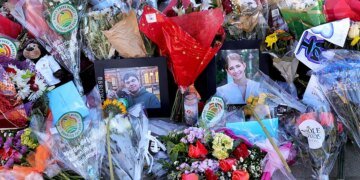























Brown University Board Silent After Campus Murders Raises Concerns Over Security
In the wake of a tragic shooting incident that claimed the lives of two students at Brown University earlier this month, the university’s board of trustees has faced public scrutiny for its silence on the matter. The board, comprised of influential figures from various sectors, has been urged to address significant lapses in campus security that played a role in the tragic events.
Why It Matters
The failure of the board to respond raises questions about its accountability and oversight amid ongoing discussions about campus safety. Brown University has long been regarded as a leading academic institution, yet the recent violence has exposed vulnerabilities that many now believe warrant urgent action and transparent communication from its governing body.
Key Developments
- The board of trustees, which includes prominent figures like Bank of America CEO Brian Moynihan and Goldman Sachs Chairman Rich Friedman, has not issued any statements following the campus murders.
- Authorities have identified Claudio Neves-Valente as the shooter; he was later found dead from a self-inflicted gunshot wound.
- The homeless individual who helped locate Neves-Valente was living in the engineering building’s basement, raising concerns about campus security measures.
- President Christina Paxson has been criticized for the university’s response to security concerns and the handling of the shooting aftermath.
- The university is reportedly preparing for potential lawsuits related to the shooting incident.
Full Report
Silence from the Board
Despite being the highest governing body at Brown University, the board of trustees has refrained from commenting on the recent murders. This lack of response is notable given their responsibility for appointing the university president and evaluating the long-term strategic direction of the institution. Their silence follows a shooting that highlighted glaring weaknesses in campus security protocols.
Incident Details
On December 13, at approximately 4 p.m., Neves-Valente entered a classroom in the Barus & Holley engineering building armed with a firearm. Eyewitnesses reported that he shouted something unintelligible before firing, resulting in two fatalities and injuries to nine others. Investigators credit a homeless man, known publicly as "John," with key information that led to locating the alleged gunman.
University Response
In her first public comments following the shooting, Paxson condemned gun violence and noted an increase in harmful online activity directed toward members of the university community. She maintained that the university had not previously identified any public safety concerns associated with Neves-Valente during his brief tenure as a student over two decades ago.
Security Concerns
Criticism has mounted regarding the lack of surveillance in the engineering building, where the shooting occurred. Paxson dismissed claims that this absence contributed to the incident, but many believe it reflects broader issues within the university’s security infrastructure.
Legal Implications
As the campus grapples with the fallout from this tragedy, university officials are preparing for potential legal challenges. Reports have indicated that Brown has retained former U.S. Attorney Zachary Cunha to assist in navigating these forthcoming lawsuits.
Context & Previous Events
Earlier this month, the campus was shaken when a lone gunman brought violence to a place typically viewed as safe and scholarly. Previous concerns about campus security and the university’s financial allocation for safety measures have been surfacing, prompting questions about institutional priorities in the wake of such incidents.
As Brown University confronts the ramifications of this dark chapter, the role and responsibilities of its board of trustees remain under scrutiny, emphasizing the need for transparency and decisive action in maintaining student safety.






