






















Scientists Discover New Species in Pacific Ocean’s Deep Reefs
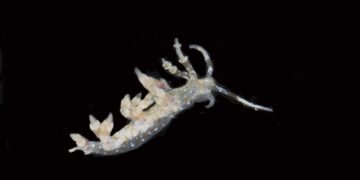
Researchers from the California Academy of Sciences have potentially identified more than 20 new species in the deep reefs of the Pacific Ocean. This discovery, facilitated by advanced monitoring devices, sheds light on an underwater habitat that remains largely unexplored and highlights the importance of conserving these ecosystems.
Why It Matters
The mesopelagic zone, often referred to as the “twilight zone,” is an under-researched area critical to ocean biodiversity. The findings not only enhance our understanding of marine life but also underscore the need for protective measures, given that these reefs host numerous species yet to be documented.
Key Developments
- Researchers retrieved 13 monitoring devices, known as Autonomous Reef Monitoring Structures (ARMS), used since 2018.
- Approximately 2,000 specimens were collected, revealing around 100 previously unknown species.
- Experts anticipate that genetic analysis could lead to the confirmation of over 20 new species, including potential new types of crabs, sponges, and corals.
- A curious hermit crab was observed using a clamshell for shelter, showcasing unique adaptive behavior.
- A two-year expedition will continue to deploy and retrieve additional monitoring devices in the Pacific.
Full Report
Research and Retrieval
The research team from the California Academy of Sciences conducted an extensive data collection effort by retrieving ARMS devices situated up to 330 feet deep in the ocean. These devices, which track reef health, provided a wealth of specimens and data after years of monitoring. Luiz Rocha, the ichthyology curator at the Academy, indicated that initial analyses suggest a significant number of unclassified species.
Unexpected Discoveries
Among the unexpected findings is a hermit crab that has adapted to living in a clamshell, deviating from its typical use of snail shells. This unusual behavior surprised Rocha and his team, demonstrating the adaptability of marine life in challenging environments.
Future Expeditions
Rocha’s team has initiated plans to conduct further expeditions over the next two years, aiming to deploy and retrieve a total of 76 additional monitoring devices across various Pacific locations, including Palau and French Polynesia. These ongoing efforts are crucial to gaining deeper insights into the delicate ecosystems that these reefs support.
Context & Previous Events
Since 2018, the research devices have been instrumental in collecting data on the ocean’s deep coral reefs, revealing significant biodiversity yet to be fully understood. The mesopelagic zone poses unique challenges for researchers due to its depth and pressure, complicating access and study of these vital habitats.






