






















Fisherman Survives Shark Attack in Hawaii, Advocates for Ocean Safety
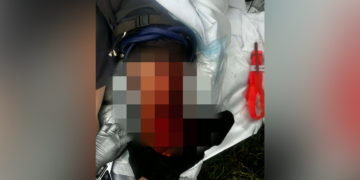
A Hawaii fisherman is sharing his harrowing experience after surviving a near-fatal shark encounter that left him with severe injuries. Josiah Kaimani Ventura, a 22-year-old commercial fisherman, faced a life-threatening situation when a shark became entangled in a fishing net he was trying to help. His story not only highlights the dangers of ocean activities but also reflects a strong sense of responsibility toward marine life.
Why It Matters
This incident underscores the risks associated with human interaction with wildlife, particularly in coastal areas. Ventura’s experience serves as a reminder of the importance of safety protocols in the ocean and the need for proper reporting and intervention when dealing with potentially dangerous animals. It also brings attention to the role of community and family support in crisis situations.
Key Developments
- Ventura was diving to catch a rare fish species when he discovered a shark trapped in a net.
- Approaching the shark resulted in a sudden attack, leaving him with significant injuries on his thigh.
- He managed to swim to shore, self-administering first aid until help arrived.
- Emergency responders treated his wounds with 70 staples and 90 stitches.
- After his recovery, Ventura plans to return to the ocean but advises against direct interaction with injured marine creatures.
Full Report
Encounter with the Shark
Ventura, while engaged in a routine dive inside a cave, noticed a shark struggling in a fishing net. He expressed his desire to help, a sentiment rooted in the Hawaiian cultural value of stewardship for the ocean, referred to as “kuleana.” However, as he approached, the shark broke free and lunged at him, resulting in a swift bite to his thigh.
"I didn’t have any warning," Ventura recounted. "One second it was calm, and the next it had me."
The impact of the bite was severe, sending tremors through his leg as he fought to remain conscious amidst the rush of blood surrounding him. Despite feeling light-headed, he focused solely on reaching the shore and breathing.
First Aid and Recovery
Upon reaching shallow water, Ventura took a moment to assess his injuries, noting the severity of the wound. Rather than panicking, he utilized his wetsuit to create a makeshift tourniquet, applying compression to control the bleeding. Ventura chose to call his mother instead of emergency services first, seeking her comfort. After a brief conversation, he hung up to focus on self-care measures while his friends continued to be unaware of the unfolding emergency.
Rescue teams eventually arrived after 20 minutes, followed by an arduous journey through rough terrain to reach the main road. Hospital staff treated him promptly, and he emerged from surgery with extensive stitches and a scar that he views as a mark of survival.
Perspective on the Ocean
Despite experiencing a traumatic event, Ventura maintains a deep respect for the ocean and does not intend to shy away from it post-recovery. He humorously conveyed that he "didn’t learn [his] lesson" and remains committed to the sea, emphasizing the importance for others to prioritize safety if they encounter situations involving injured animals.
"Document it and report it," he advises. "Let NOAA or wildlife officers handle it."
Context & Previous Events
The Hawaii Department of Land and Natural Resources (DLNR) has acknowledged the incident and is investigating the circumstances surrounding it. Historically, shark attacks are a rare occurrence but signify the delicate balance between human activity and marine life. Ventura’s story adds to the growing narrative about the importance of understanding this interaction and prioritizing safety in ocean activities.
In summary, while his encounter was traumatic, Ventura considers himself fortunate. "I walked away with a scar and a reminder, not as a casualty," he stated, emphasizing the need for safer practices during ocean interactions.






