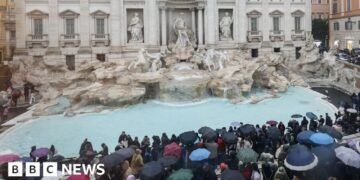























Tourists planning to visit Rome’s iconic Trevi Fountain will soon face a new entrance fee. Beginning February 1, 2026, a €2 charge will be imposed on visitors seeking to experience the renowned Baroque monument up close, part of a larger effort to manage tourist traffic and fund local infrastructure.
The introduction of this fee underscores the ongoing challenges of tourism management in a city with historic and cultural significance. With millions flocking to key attractions each year, authorities are seeking sustainable methods to enhance visitor experiences while preserving these landmarks for future generations.
Key Developments
- The €2 entrance fee for the Trevi Fountain will take effect on February 1, 2026.
- The revenue generated is expected to reach approximately €6.5 million annually, used for maintenance and visitor management.
- Rome’s Mayor Roberto Gualtieri emphasized that this fee is minimal and aims to reduce overcrowding.
- Non-residents will also face fees at additional famous sites, while local residents can access various attractions for free.
- Exemptions will be granted for young children and individuals with disabilities.
Full Report
Entrance Fee Implementation
Starting February 2026, visitors to Rome’s Trevi Fountain will need to pay €2 to get a closer look at the monument. Announced by Mayor Roberto Gualtieri, the fee aims to manage the high volume of daily tourists—currently averaging around 30,000. The collected funds will contribute to the upkeep of the fountain and other related visitor services.
Revenue Allocation
The initiative is projected to generate around €6.5 million each year, which will be channeled to support local city authority efforts, including maintenance and crowd control around one of Rome’s most celebrated landmarks.
Visitor Management and Accessibility
Efforts to improve tourist flow at the Trevi Fountain have already included a queuing system introduced following recent restoration work. The management plan currently limits access to 400 individuals at a time, designed to mitigate overcrowding at the site.
Broader Changes for Tourists and Residents
This fee is part of a broader strategy in Rome that affects various cultural sites. While tourists will face new fees at six attractions, including the Napoleonic Museum, certain historical locations will become free for local residents. Notably, the Sacred Area of Largo Argentina is among those exempt from entry costs for Romans.
Context & Previous Events
Efforts to reduce tourist congestion at the Trevi Fountain have intensified recently, particularly after restoration work in the previous year. The city’s administration has previously implemented measures such as a queuing system to manage crowds effectively.