






















Trump Suspends Green Card Lottery Following Brown University Shooting Incident
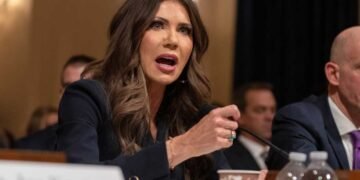
Homeland Security Secretary Kristi Noem, acting under President Donald Trump’s directive, announced on Thursday the suspension of the green card lottery program linked to the suspect in the recent shootings at Brown University and MIT. This development comes as authorities work to process the tragic events that left two students dead and several others injured.
Why It Matters
The green card lottery has been a controversial topic in U.S. immigration policy, designed to diversify immigration from countries with low representation in the U.S. The sudden halt to this program raises significant implications for legal immigration pathways, potentially sparking legal battles and further polarizing the immigration debate in the wake of a devastating act of violence.
Key Developments
- Secretary Noem’s announcement was made via a post on the social platform X, emphasizing that the individual responsible for the violence should not have been permitted entry into the U.S.
- The suspect, Portuguese national Claudio Neves Valente, allegedly carried out shootings at Brown University, resulting in two fatalities and nine injuries, as well as the murder of an MIT professor.
- Neves Valente was reportedly found dead from an apparent self-inflicted gunshot wound.
- He entered the U.S. on a student visa in 2000, transitioned to a diversity immigrant visa in 2017, and subsequently obtained legal permanent resident status.
- The diversity visa program allows for 50,000 green cards to be distributed annually through a lottery, primarily targeting underrepresented countries, including those in Africa.
- Nearly 20 million individuals applied for the 2025 lottery cycle, with only 38 slots given to applicants from Portugal.
- Trump’s administration has historically opposed the diversity visa lottery, linking policy decisions to violent incidents involving immigrants.
Full Report
Shooting Incident and Suspect Profile
The tragic incident unfolded at Brown University, where Neves Valente, 48, is suspected of carrying out the shootings that killed two students and injured nine others on campus. Additionally, he is implicated in the murder of a professor at MIT. Law enforcement officials confirmed that he was discovered dead due to a self-inflicted gunshot wound on Thursday evening.
Neves Valente’s background revealed that he had been in the United States since 2000 on a student visa, later acquiring a diversity immigrant visa in 2017 which allowed him to achieve legal permanent residency. Authorities are currently investigating the gaps in his status between taking a leave of absence from his studies in 2001 and receiving the visa in 2017.
Policy Response
In the wake of this violence, Secretary Noem stated that Trump’s decision to suspend the green card lottery is a necessary measure, asserting that such individuals should not have been granted entry into the nation. The move is indicative of a broader pattern within the Trump administration to tighten immigration policies, particularly following incidents of violence involving immigrants.
The diversity visa lottery program, initiated by Congress, provides opportunities for individuals from underrepresented countries to apply for permanent residency. The program was met with long-standing opposition from Trump’s administration, which has sought to restrict legal immigration channels, showcasing a strategy to link immigration policy with high-profile criminal cases.
Implications for Immigration Policy
The suspension of the diversity visa lottery program is poised to incite legal challenges and re-ignite discussions about immigration policy in the United States. Trump’s administration has previously enacted restrictions on immigration pathways following violent incidents, and this latest action reflects a continuity of that approach.
Context & Previous Events
This announcement follows Trump’s historical opposition to the diversity visa lottery, which has been a fixture in U.S. immigration policy for years. Past commentaries and actions from the administration have shown a consistent theme of leveraging tragedy to advance immigration policy objectives. For example, after an Afghan national was identified as the shooter in a separate violent incident involving National Guard members, the administration imposed stringent immigration rules affecting individuals from Afghanistan and other regions.
The ongoing discourse around immigration policy continues to evolve, especially as the administration pushes forward with initiatives aimed at limiting legal avenues for immigrants while emphasizing national security.






