






















Pretrial Hearings Conclude in High-Profile Murder Case of UnitedHealthcare CEO
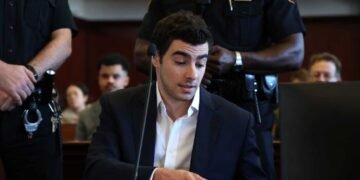
A New York state court has wrapped up nearly three weeks of pretrial hearings in the case against 27-year-old Luigi Mangione, accused of murdering UnitedHealthcare CEO Brian Thompson. The hearings are pivotal, as they will determine the admissibility of key evidence in the upcoming trial, including firearms and documents allegedly linked to the crime.
Why It Matters
The outcome of these hearings is crucial not just for Mangione, who faces serious charges including murder and criminal possession of weapons, but also for the broader discussion about healthcare in America. Thompson’s death has spurred significant conversations surrounding the U.S. healthcare system and the Affordable Care Act.
Key Developments
- Concluded Hearings: The pretrial hearings wrapped up after extensive testimony from law enforcement officials and presentation of body camera footage.
- Contested Evidence: Mangione’s defense argues that evidence collected during his arrest lacks a proper search warrant and thus should be deemed inadmissible. Prosecutors counter that a warrant wasn’t necessary.
- Judicial Ruling Pending: Judge Gregory Carro is set to rule on the admissibility of the evidence on May 18.
- Separate Federal Charges: Mangione is also facing unrelated federal charges that could lead to the death penalty if he is convicted.
Full Report
Arrest and Charges
Luigi Mangione was arrested last year at a McDonald’s in Altoona, Pennsylvania, shortly after allegedly shooting Thompson on a Manhattan sidewalk. Investigators seized a backpack containing a 9 mm handgun, ammunition, and a notebook in which Mangione purportedly expressed his intent to target a health insurance executive.
Court Proceedings
During the hearings, multiple officers involved in the arrest shared their accounts. Body camera footage displayed the moment Mangione was approached and searched by police, with Christmas music playing audibly in the background.
Legal Arguments
Mangione’s legal team maintains that the evidence should be excluded from trial proceedings due to the nature of its acquisition. The defense also claims that statements made by Mangione prior to receiving a warning about his right to silence should not be used against him in court.
Potential Consequences
If found guilty on federal charges, Mangione could face the death penalty, marking a significant escalation in the case. His next scheduled court appearance is in federal court on January 9.
Context & Previous Events
In September, Judge Carro dismissed charges against Mangione that classified the murder as an act of terrorism. He expressed concerns that prosecutors were incorrectly linking Mangione’s ideological beliefs with an intent to instill fear among the public. The implications of this case resonate widely, particularly amid ongoing discussions regarding healthcare costs and legislative changes in the U.S.