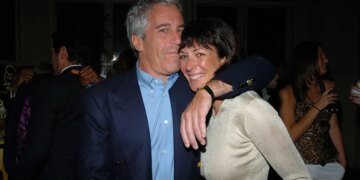























Ghislaine Maxwell Seeks to Overturn Conviction Citing Juror Misconduct and Suppressed Evidence
Ghislaine Maxwell, serving a 20-year prison sentence for her role in Jeffrey Epstein’s sex trafficking network, has filed a petition to vacate her conviction. She alleges that juror misconduct, suppressed evidence, and improper coordination between prosecutors and victims’ attorneys tainted her trial, raising new questions about the fairness of the proceedings.
Why It Matters
Maxwell’s petition comes amidst increasing scrutiny of the Department of Justice (DOJ) and its handling of Epstein-related investigations. The outcome of this motion could have significant implications for Maxwell and others involved in similar cases, especially as the DOJ prepares to release long-sealed documents under the newly enacted Epstein Files Transparency Act.
Key Developments
- Maxwell argues that "newly discovered evidence" supports her claim of an unfair trial.
- A key focus of her petition is Juror #50, who allegedly failed to disclose a history of sexual abuse, impacting jury deliberations.
- Claims of withheld exculpatory evidence, including FBI notes and grand jury transcripts, are central to her argument.
- Maxwell contends prosecutors improperly collaborated with attorneys representing Epstein’s accusers.
- The petition also alleges that her pretrial conditions severely limited her ability to participate in her defense.
Full Report
Allegations of Juror Misconduct
In her petition, Maxwell specifically points to Juror #50, who disclosed post-verdict that he had been a victim of sexual abuse but did not mention this on his juror questionnaire. Maxwell contends this omission may have influenced the jury’s deliberative process. Although federal courts have traditionally ruled that such juror errors do not justify a new trial, she is seeking a re-evaluation based on new statements that contradict prior findings.
Suppressed Evidence
Maxwell claims that evidence presented during her trial, including a massage table used to establish an interstate-commerce element of the charges, was misrepresented. She cites newly unsealed grand jury testimony that contradicts the law enforcement narrative about the table’s seizure, questioning whether it was the same item shown to jurors.
Moreover, she argues that prosecutors withheld crucial evidence that could have aided her defense. This includes internal FBI documents and records related to Epstein’s properties and finances, which Maxwell insists were necessary for her to effectively contest the government’s case.
Prosecutorial Coordination
The filing further alleges that attorneys for Epstein’s victims played an undue role in influencing the prosecution. This purported coordination involved sharing investigative resources and communicating with witnesses, which may have influenced case development before the trial commenced.
Previous Non-Prosecution Agreement
A long-standing point of contention for Maxwell is Epstein’s 2007 non-prosecution agreement in Florida, which she believes should have extended to her as a "potential co-conspirator." Although courts have consistently dismissed this argument, she asserts that new internal documents bolster her claims.
Harsh Pretrial Conditions
Maxwell’s petition also describes the pretrial environment at the Metropolitan Detention Center as "harsh," asserting that conditions such as solitary confinement impacted her ability to mount an effective defense.
Context & Previous Events
Maxwell’s current legal maneuvering follows her 2021 conviction on multiple charges related to sex trafficking and conspiracy, directly linked to Epstein’s long-documented abuse of minors. The enactment of the Epstein Files Transparency Act, signed by President Trump last month, mandates the release of previously sealed investigative documents by the DOJ, with a deadline approaching on December 19. The pending release of these documents may intersect with Maxwell’s ongoing legal challenges.