






















Congress Faces Deadline on Health Insurance Subsidies
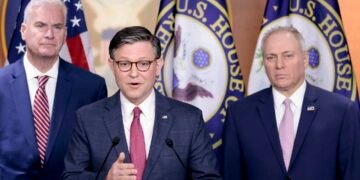
With just two days left before Congress’s scheduled holiday recess, lawmakers are expected to depart Washington without taking action to extend Affordable Care Act (ACA) health insurance subsidies. This inaction could lead to substantial increases in premiums for millions of Americans, some of whom may see their costs double or even triple in the upcoming year.
Why It Matters
The potential expiration of enhanced ACA subsidies represents a significant shift in healthcare affordability for millions. The impending cost hikes threaten to create financial strain for families already grappling with economic challenges, highlighting the ongoing debate over health insurance reform in the U.S.
Key Developments
- The House is set to vote today on a package of conservative health reform proposals, including association health plans and adjustments to pharmacy benefit manager regulations.
- Bipartisan discussions regarding the extension of health insurance subsidies continue among congressional members, though a solution appears unlikely before the year’s end.
- President Trump’s approval rating regarding economic management has plummeted to 36%, marking his lowest score in six years. Democrats currently hold a narrow lead over Republicans on economic trust.
- The Trump administration is advancing a new initiative to expedite the construction of innovative nuclear reactor designs, aiming to launch three new test reactors by July 2026.
Full Report
Health Insurance Subsidies at Risk
As Congress prepares to break for the holidays, the failure to extend enhanced ACA subsidies may result in millions of Americans facing unprecedented health insurance premium hikes. Legislative leaders have expressed frustration over the lack of resolution, as bipartisan talks continue without a concrete outcome in sight.
House Vote on Health Reform Initiatives
The House of Representatives plans to consider a package of long-cherished conservative health reform ideas today. These proposals are anticipated to include the introduction of association health plans and revisions to the regulations governing pharmacy benefit managers.
Public Sentiment on Economic Performance
According to a recent NPR/PBS Marist poll, President Trump’s handling of the economy has lost the confidence of many, with only 36% of Americans approving his performance. This represents a stark contrast to the 16-point lead Republicans had on economic trust just a year ago, now shifting towards a Democratic advantage.
Nuclear Reactor Initiatives
In a related advancement, the Trump administration has introduced a program to accelerate the deployment of eleven new nuclear reactor designs. This initiative, driven by the Department of Energy, aims to have operational test reactors by the U.S.’s 250th anniversary in 2026, although critics question the safety implications of moving forward without traditional regulatory oversight.
Context & Previous Events
Previously, the administration had faced scrutiny over its management of health insurance subsidies, particularly as financial pressures on American families have intensified. The ongoing discussions reflect a broader trend in U.S. healthcare policy and the challenges inherent in achieving consensus across the political spectrum.






