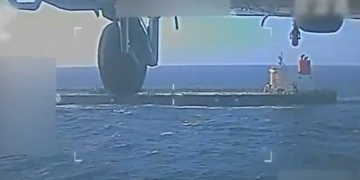























U.S. Seizure of Venezuelan Oil Tanker Triggers Drop in Exports
The recent seizure of a Venezuelan oil tanker by U.S. authorities has led to a dramatic decline in the country’s oil exports, primarily affecting shipments destined for China. This move, perceived by many as an escalation of U.S. sanctions against the Maduro regime, has further strained Venezuela’s already crippled economy.
Why It Matters
Venezuela’s oil exports are vital for the country’s economy and for propping up President Nicolás Maduro’s government, which many Western nations classify as dictatorial. With revenues already under pressure, the seizure of the tanker could drive Venezuela into a deeper economic crisis, complicating the humanitarian situation in the nation.
Key Developments
- Venezuela’s oil exports have reportedly dropped significantly since the U.S. seized the tanker, named the Skipper, this week.
- The Skipper, carrying approximately 1.8 million barrels of Venezuelan crude, was intercepted about 70 miles off the coast.
- Following the seizure, U.S. sanctions were imposed on six supertankers and shipping companies involved with Venezuelan oil operations.
- Estimates indicate around 11 million barrels of oil are currently stranded in Venezuelan waters due to heightened fears of additional seizures.
Full Report
Seizure Dynamics
The U.S. Coast Guard and special forces boarded the Skipper, marking the first such action against a Venezuelan tanker despite ongoing sanctions against the country since 2019. In response to the seizure, President Maduro condemned the action as "piracy," asserting that the U.S. aims for regime change. U.S. authorities indicated that the vessel was suspected of carrying oil from both Venezuela and Iran, complicating international relations further.
Despite the sanctions, U.S. company Chevron has received special permission to continue operations with state-run oil entity PDVS and has exported two cargoes in November. Reports suggest two additional exports were in preparation following the seizure.
Impact on Oil Exports
Prior to the tanker’s seizure, Venezuela was exporting approximately 952,000 barrels per day, with a significant portion directed toward China. The recent raid has caused tanker movements to almost halt, with many fearing the potential for additional action against vessels operating in the region.
Judicial Oversight
Documents related to the seizure reveal that a warrant was set to expire on the day of the raid, allowing U.S. authorities a limited time to act. Magistrate Judge Zia Faruqui had previously authorized the seizure, which was backed by claims concerning illicit oil trade.
Navigational Evasion
Analysis indicates that the Skipper attempted to evade detection by employing "spoofing" techniques to mislead tracking systems regarding its location. This strategy aligns with broader concerns about illicit drug trafficking in the Caribbean, an issue that Maduro has consistently denied any involvement in.
Context & Previous Events
Since 2019, Venezuela has faced severe sanctions from the United States, especially concerning its oil sector. While President Maduro’s administration has been characterized by allegations of electoral manipulation and human rights abuses, the U.S. continues to enforce measures aimed at undermining his government. Chevron remains an exception in navigating these sanctions, maintaining a limited operational presence in Venezuela.