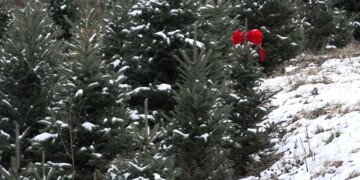























Christmas Tree Farmers Rebuild After Devastation from Tropical Storm Helene
Farmers in Western North Carolina are striving to recover and rebuild following the devastating impact of Hurricane Helene in September 2024. The storm caused significant losses for many Christmas tree growers, who are now focused on restoring their livelihoods and ensuring a festive season ahead.
This recovery is crucial not only for the farmers’ economic well-being but also for maintaining North Carolina’s status as the nation’s second-largest producer of Christmas trees. The industry is particularly important for local communities, with many families relying on Christmas tree farming for their income and holiday traditions.
Key Developments
- Waightstill Avery III, a long-time Fraser fir grower, reported a loss of approximately 64,000 trees, resulting in damages exceeding $4 million.
- Avery’s farm was submerged under eight feet of water, washing away years of effort and investment.
- Joey Clawson’s nearby farm emerged relatively unscathed, noting that many growers faced logistical challenges in accessing their fields after the storm.
- Despite the challenges, local growers are optimistic about a resurgence in interest for real Christmas trees among younger generations.
Full Report
Impact of Hurricane Helene
Hurricane Helene wreaked havoc in Western North Carolina, particularly affecting Christmas tree farms. Waightstill Avery III, owner of Avery Farms in Newland, described the catastrophic impact, stating that his farm was left under eight feet of water. The flooding resulted in the loss of around 64,000 trees and approximately $4 million in damages, including equipment and property. “It seems to be something you either love it or you hate it,” Avery remarked, emphasizing the long-term nature of tree farming. Many trees take a decade or more to mature, meaning the losses will extend into future seasons.
Community Resilience
While Avery experienced substantial setbacks, other farmers like Joey Clawson in Boone reported minimal damage to their operations. Clawson noted that his farm avoided flooding and was able to continue its Christmas tree sales uninterrupted. However, he acknowledged the chaos that enveloped the community in the days following the storm, with many growers facing anxiety and uncertainty about accessing their damaged fields. “They were panicking trying to get to their fields,” he said. Farming, often fraught with unpredictable challenges, requires constant vigilance and the hope of a paycheck.
Looking Forward
Despite the losses, both Avery and Clawson expressed optimism about the future of the Christmas tree business. Clawson pointed out a growing interest among younger generations in purchasing real trees, suggesting that sales may improve in the coming years. The community has rallied to support affected farmers, and there is a shared sense of resilience as they work to rebuild.
Context & Previous Events
North Carolina is recognized as the second-largest producer of Christmas trees in the U.S. The Fraser fir, a preferred species for holiday displays, is prominent in the state. For decades, the region has cultivated this tradition, making the impacts of natural disasters like Hurricane Helene particularly significant for local economies and holiday customs.