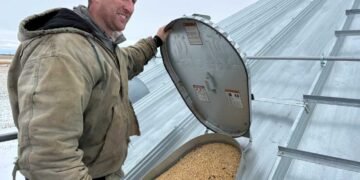























Trade Policies Leave American Farmers Struggling Amid Aid Promises
American farmers, including South Dakota’s Kevin Deinert, are facing a challenging harvest season due to the ripple effects of President Trump’s trade policies—an issue that resonates deeply as China begins to purchase U.S. soybeans again, albeit in significantly reduced volumes.
Why It Matters
The agricultural industry is crucial to the American economy, particularly in farm-heavy states like South Dakota. The ongoing shifts in trade relationships and market dynamics may have lasting impacts on farm viability, food prices, and rural economies, spotlighting the necessity for effective trade agreements and financial relief for farmers.
Key Developments
- President Trump announced a $12 billion assistance package aimed at aiding American farmers coping with the fallout from trade tensions.
- Farmers like Deinert report unsold soybean stocks, with China buying approximately 25 million metric tons annually before the trade disputes.
- Rising costs for fertilizer and essential materials, influenced by tariffs, have compounded farmers’ financial struggles.
- Agricultural groups express skepticism, stating that while aid is welcome, sustainable trade relationships are essential for long-term recovery.
- Some farmers indicate concerns over their ability to secure financing for the upcoming planting season, citing uncertain economic conditions.
Full Report
Assistance Package Announced
President Trump unveiled a $12 billion aid package this week, aimed at supporting farmers who have found themselves grappling with unfavourable market conditions amid trade disputes. Kevin Deinert, who runs a soybean farm in South Dakota, noted that although the aid would provide some relief, it is not a panacea for the deeper issues at play.
"I don’t want to say it’s not meaningful," said Deinert, referencing the aid. "But is the quantity going to alleviate all the farmers’ concerns? I don’t think so."
Impact of Trade Policies
China’s decision to turn to Brazil and other countries this spring for soybean imports severely impacted U.S. farmers, who used to rely heavily on the Chinese market. Tariffs have not only disrupted traditional trade relationships but also inflated the costs of essential farm supplies.
“He’s back at the fire and he’s trying to put it out with a garden hose,” remarked Doug Sombke, president of the South Dakota Farmers Union, highlighting the disconnect between the government’s assistance efforts and the ongoing economic challenges.
Market Reactions
Agencies and groups representing farmers, including the Missouri Farm Bureau Federation, have acknowledged the aid package as an important first step. They emphasize the need for more comprehensive solutions to restore farmers’ financial standing.
Deinert, who also leads the South Dakota Soybean Growers Association, also expressed a desire for a return to robust international trade rather than relying on government assistance. “As farmers, we want trade, not aid,” he said, reflecting a sentiment shared by many in the agricultural sector.
Financial Uncertainty and Upcoming Elections
Looking ahead, farmers like John Kippley, who manages a farm near Aberdeen, S.D., worry about the uncertain financial landscape as they prepare for the spring planting season. "Banks are really nervous right now because they don’t know what’s going to happen," he explained, underscoring the anxiety surrounding potential changes in trade tariffs.
The stakes are particularly high with the midterm elections approaching. Rural states, traditionally reliable for Trump and the Republican majority, are anxiously awaiting stable agricultural policies that would support local economies and ensure profitable harvests.
Context & Previous Events
The ongoing trade tensions began escalating in 2018 when the Trump administration imposed tariffs on various Chinese exports, which led to significant shifts in soybean trade dynamics and the deterioration of long-established agricultural relationships. Additionally, the recent deal struck by the Trump administration with China includes commitments for limited soybean purchases, which—if realized—would only restore conditions to pre-trade war levels.






