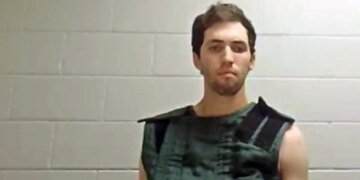























First Court Appearance for Charlie Kirk Assassin Suspect Draws Attention and Calls for Transparency
In a highly anticipated development, Tyler Robinson, charged with the assassination of Turning Point USA founder Charlie Kirk, is scheduled for his first in-person court appearance on Thursday. This event marks a pivotal moment nearly three months after Robinson was taken into custody, as concerns over the increasing secrecy of the trial continue to grow from media outlets and Kirk’s widow.
Why It Matters
The case has significant implications not only for the legal proceedings but also for public trust in the judicial system. With heightened media scrutiny and emotional stakes for the Kirk family, the demand for transparency in court proceedings has intensified as issues of confidentiality and public access come to the forefront.
Key Developments
- Tyler Robinson faces charges of aggravated murder and various related felonies in connection with the shooting of Charlie Kirk on September 10, during an event at Utah Valley University.
- Prior court sessions have taken place via video or phone, with recent hearings reportedly shrouded in secrecy.
- A coalition of media organizations, including Fox News, is advocating for greater transparency, requesting that advance notice be given whenever filings are sealed or public access is restricted.
- Increased security measures have been implemented at the Utah County Court for the upcoming hearing, with only one public entrance and visible armed guards.
- Legal experts have noted a concerning trend of diminished transparency that contrasts sharply with the initial openness of the investigation.
Full Report
Legal Proceedings and Security Measures
On Thursday, the courtroom will be open to the public, a decision made by Judge Tony Graf, although some details from a prior closed session may remain undisclosed. Observers are expected to be aware of strict rules regarding how Robinson is depicted during the hearing; he cannot be photographed or filmed in shackles, reflecting ongoing concerns about potential biases that could arise from such imagery.
Robinson has appeared primarily through virtual means since his arrest, prompting questions regarding security and the trial’s proceedings. Legal analyst Roger Bonakdar noted that the shift from transparency to secrecy has been unusual, with authorities initially providing an abundance of details about the case, including claims of audio recordings and video evidence.
Family and Community Reactions
Erika Kirk, the widow of Charlie Kirk, has publicly expressed her discontent with the trial’s lack of visibility. In a recent interview, she highlighted the disparity between the media presence surrounding her husband’s assassination and the current restrictions placed on reporting from the courtroom.
Her sentiments resonate with observers who argue that the public has a right to witness the legal process, especially given the high-profile nature of the case and its implications for civic discourse.
Media Coalition’s Efforts
The coalition advocating for transparency in the trial has brought forth significant legal arguments, insisting that the public should have the ability to challenge any motions to seal records in real time. This push has gained momentum, especially following the decision to classify the audio and transcript of a closed hearing as "private," further raising questions about public access rights.
Context & Previous Events
Tyler Robinson was taken into custody three months ago, charged in connection with the fatal shooting of Charlie Kirk. The murder occurred during a public event, raising significant emotional and political stakes surrounding the case.
The judicial process has been complicated by the case’s political significance, requiring careful balancing of First Amendment rights and the integrity of the trial. As authorities proceed with the case, it remains to be seen how the courts will navigate the demand for transparency alongside necessary confidentiality in legal proceedings.






