






















Trump Administration Proposes Social Media Checks for Tourists
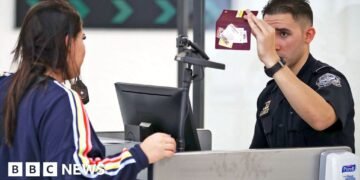
The Trump administration has unveiled a new proposal requiring tourists from dozens of countries to disclose their social media history for the past five years as part of the Electronic System for Travel Authorization (ESTA). This move aims to enhance border security and ensure safety, but it raises concerns about the potential impact on tourism and digital rights.
Why It Matters
This proposal marks a significant escalation in the U.S. government’s vetting process for foreign visitors, thereby increasing scrutiny of digital footprints. With major international events such as the men’s football World Cup and the 2028 Olympics on the horizon, the potential imposition of social media scrutiny could deter tourists and raise questions about privacy and civil liberties.
Key Developments
- The new regulation would impact citizens from around 40 countries, including the UK, who can visit the U.S. for up to 90 days without a visa.
- Tourists will need to provide social media accounts, phone numbers, and email addresses used in the past five to ten years.
- President Trump expressed confidence that the proposal will not significantly deter tourism, stating, “We’re doing so well” in attracting visitors.
- The measure appears in the Federal Register and invites public feedback for the next 60 days.
- Critics, including representatives from digital rights organizations, warn that the proposal could exacerbate civil liberties issues.
Full Report
Social Media History Requirement
As part of the new policy, travelers will be required to disclose a comprehensive five-year social media history when applying for ESTA. Specific details about the information requested have yet to be confirmed. Currently, the ESTA process only collects limited traveler information alongside a $40 fee.
Impact on Tourism and Digital Rights
Critics are concerned that the proposed social media checks might hamper the U.S. tourism industry and infringe on digital privacy rights. Sophia Cope of the Electronic Frontier Foundation criticized the plan, indicating it could lead to “civil liberties harms.” In light of the anticipated increase in tourism for significant sporting events, experts speculate that the added scrutiny could deter visitors.
Security Justifications
The Trump administration has framed this initiative as a measure aimed at strengthening national security. An executive order from January titled “Protecting the United States From Foreign Terrorists and Other National Security and Public Safety Threats” underpins this approach. Officials emphasized the expectation from American citizens that their government will ensure a safer environment against potential threats.
Context & Previous Events
This initiative builds on previous policies that included social media checks for foreign nationals applying for student visas or H1B visas. The state department mandated that applicants must make their social media privacy settings public for review purposes. Additionally, there are existing measures, including a travel ban affecting 19 countries, which have been discussed amid recent domestic security concerns.