






















Congress Presses Defense Secretary on Controversial Military Strike Video
The U.S. Congress is ramping up pressure on Defense Secretary Pete Hegseth to disclose video footage from a recent military strike that resulted in the deaths of two individuals associated with an alleged drug boat. This call for transparency follows accusations that the attack may have violated military laws regarding the use of force, intensifying scrutiny on the Pentagon’s operations near Venezuela.
Why It Matters
The debate surrounding the video release not only highlights concerns about military accountability but also reflects lawmakers’ looming oversight of the administration’s use of military power. As military operations against drug trafficking escalate, the implications for both international relations and domestic policy are significant, potentially raising questions about legality and efficacy in addressing drug-related threats.
Key Developments
- Hegseth informed congressional leaders that he is still considering the release of the unedited video, citing the need for further study.
- Lawmakers from both parties expressed their dissatisfaction with the classified briefing, asserting their right to view the footage from the September strike.
- The Pentagon is under pressure to provide a full account of the incident, which has already led to demands embedded in the annual defense authorization bill.
- Retiring Adm. Alvin Holsey discussed aspects of the military campaign with key senators, though specific details of the call remain undisclosed.
- Congress is preparing to address the administration’s military authority through potential legislation aimed at curbing direct military actions against Venezuela without congressional approval.
Full Report
Lawmaker Discontent
During a classified briefing, Senate Democratic Leader Chuck Schumer conveyed disappointment with Hegseth’s response regarding the video release. He emphasized that both Democrats and Republicans have a vested interest in reviewing the footage. Legal experts have warned that the strikes, which killed two individuals trying to salvage parts of their wrecked vessel, may contravene established military protocols governing lethal force.
Congressional Action
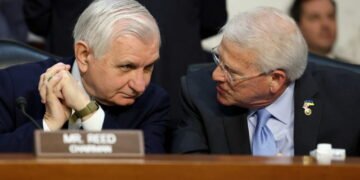
In response to the growing demand for accountability, the defense authorization bill includes provisions that threaten to penalize the Department of Defense’s budget if the unedited video and related strike orders are not released. Sen. Jack Reed, the Senate Armed Services Committee’s top Democrat, affirmed the necessity for all members to have access to the content.
The Broader Military Context
In recent months, the Trump administration has escalated military operations against vessels allegedly involved in drug trafficking near Venezuela. Since September, operations have reportedly targeted 22 boats and resulted in over 80 fatalities. Despite the administration’s position that drug operations pose an immediate threat to the U.S., lawmakers are questioning the intelligence assessments justifying these lethal strikes, particularly given that the boats were not actively engaged in threatening actions at the time of the attacks.
Ongoing Calls for Oversight
A coalition of senators, including Democrat and Republican members, is taking steps to introduce legislation aimed at restricting the President’s ability to deploy military action against Venezuela without congressional consent. This potential legislation reflects growing skepticism, even among some Republicans, regarding the assertion of military force in this context.
Context & Previous Events
Adm. Alvin Holsey, commander of U.S. Southern Command, has overseen military operations in this region for just over a year. His early retirement from this post was announced amid these rising tensions and scrutiny around military engagement policies. The current administration’s approach marks a significant shift from traditional interdiction strategies toward a more aggressive posture against drug trafficking in the region.






