






















Unconditional Cash Transfers Revolutionize Women’s Economic Independence in India
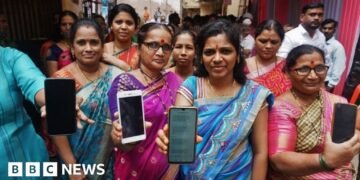
A pioneering initiative in India is transforming the economic landscape for millions of women, providing them with monthly cash transfers that offer a lifeline amid long-standing gender disparities. This radical social policy is not only a response to economic needs but also aims to acknowledge and support the crucial, yet often unrecognized, roles women play in maintaining households.
Why It Matters
The significance of these unconditional cash transfers extends beyond mere financial support; they represent a substantial shift in how women’s unpaid domestic and care work is perceived in a traditional society. As approximately 118 million women across 12 Indian states benefit from this program, the implications for female empowerment, political influence, and economic reform are profound, marking India’s entry into a transformative phase of social policy.
Key Developments
- Women aged 21-65 in Maharashtra receive monthly cash transfers of 1,500 rupees ($16).
- Transfers are unconditional, contrasting with conditional schemes in countries like Mexico and Brazil.
- The initiative has gained traction since the onset of the COVID-19 pandemic, increasing political leverage for women in various elections.
- Bihar recently saw a significant cash transfer of 10,000 rupees ($112) to millions of female bank accounts prior to elections, illustrating the political implications of such financial support.
- Despite criticism labeling these transfers as “vote-buying,” evidence shows women’s empowerment is gradually being prioritized.
Full Report
The Program’s Reach
Across India, over 300 million women now possess bank accounts, making the administration of these cash transfers manageable. The amounts, although modest—ranging from 1,000 to 2,500 rupees ($12-$30)—represent a regular income source that accounts for approximately 5-12% of household income. Research indicates that the majority of beneficiaries allocate these funds toward essential household expenses such as education, medical needs, and groceries, with many experiencing enhanced financial stability.
Political Implications
The unexpected adoption of unconditional cash transfers as a political strategy has been particularly evident in the lead-up to elections. In Bihar, for example, a recent initiative transferred 10,000 rupees to 7.5 million women, resulting in an increased voter turnout among women, which played a pivotal role in influencing election outcomes. This has raised concerns among critics who argue that such strategies amount to vote buying. Nonetheless, it underscores women’s evolving political significance and their capacity to affect decision-making processes.
Research Findings
While preliminary studies present a mixed picture regarding the program’s effectiveness, they reveal promising trends. A survey in West Bengal found that an overwhelming majority of women manage their accounts, suggesting a growing sense of autonomy. However, many still do not associate the cash transfers with recognition of their unpaid labor, highlighting an area for improvement in messaging and education. Experts advocate that these initiatives must be coupled with increased awareness of women’s rights and the economic value of their contributions to household management and caregiving.
Challenges Ahead
Despite the positive feedback regarding financial autonomy, the cash transfer initiatives face challenges as critics point to financial sustainability concerns. With numerous states grappling with budget deficits while committing billions to these programs, experts urge a more structured approach to balance support for women with the state’s fiscal health. Furthermore, the desired transformation in labor dynamics remains reliant on the availability of paid work opportunities, as many women express the need for jobs that offer both income and respect.
Context & Previous Events
Goa pioneered the unconditional cash transfer program in 2013, while Assam initiated a scheme for vulnerable women around the time of the pandemic in 2020. States like Tamil Nadu and West Bengal have similarly formalized these cash transfers as a recognition of women’s vital contributions to households, aiming to validate their unpaid work through financial support. However, the overall success of these schemes is yet to be conclusively determined as ongoing research evaluates their long-term impact on gender equality and women’s empowerment in India.