






















Developer of ICEBlock App Sues Trump Administration Over Free Speech Violations
The developer of ICEBlock, an iPhone application designed to anonymously report the presence of Immigration and Customs Enforcement (ICE) agents, is suing the Trump administration for alleged violations of free speech rights. The lawsuit follows Apple’s removal of the app from its App Store after pressure from the White House.
Why It Matters
This case raises significant questions about government influence over private companies and the boundaries of free speech, particularly in the context of immigration enforcement. The developer argues that the app serves as a tool for accountability and safety, while the administration claims it endangers agents’ lives, highlighting the ongoing national debate over immigration and civil liberties.
Key Developments
- The lawsuit was filed in federal court in Washington, D.C., by Noam Biale, the attorney for the app’s developer, Joshua Aaron.
- The suit claims the Trump administration’s threats against Apple constituted illegal coercion.
- Attorney General Pam Bondi publicly confirmed her involvement in prompting Apple to remove the app.
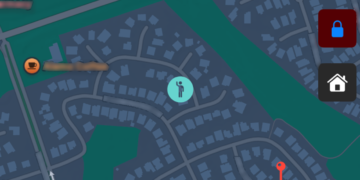
- The app allowed users to report ICE sightings but did not include visual evidence.
- Aaron describes the app as a nonviolent means to raise awareness about ICE actions and disputes the administration’s claims regarding safety risks to agents.
Full Report
Legal Action Taken
The lawsuit alleges that the Trump administration violated the First Amendment by attempting to suppress free speech through coercion. Aaron’s attorney, Biale, pointed to Bondi’s comments as evidence of governmental coercion against private industry. “We view that as an admission that she engaged in coercion,” he stated.
Government’s Position
The Trump administration has defended the removal of ICEBlock, arguing it presents a danger to ICE personnel. While officials did not respond to a request for comment, previous statements have characterized the app as inciting potential violence against agents. Aaron refutes these claims, insisting that the app is intended purely for awareness and does not promote confrontation.
Impact of Removal
Since the app’s removal, it can no longer be downloaded, although users who previously installed it can still access it. However, this situation hampers the developer’s ability to provide software updates, risking future functionality. Aaron has expressed his intention to fight for the app’s reinstatement and to protect his rights as a developer.
Experts Comment
First Amendment scholars have labeled the situation as an example of “jawboning,” where government officials exert power to stifle dissent. Genevieve Lakier, a legal expert, noted that government officials do not infringe upon free speech simply by persuading private platforms to act against certain types of speech; coercion is required for a violation. The lack of direct evidence detailing threatened actions against Apple may present challenges to Aaron’s lawsuit.
Context & Previous Events
The controversy surrounding ICEBlock illustrates broader tensions between technology, civil rights, and governmental authority, particularly regarding enforcement of immigration policies. The case occurs against a backdrop of ongoing national debates surrounding immigration, law enforcement practices, and free speech rights.






